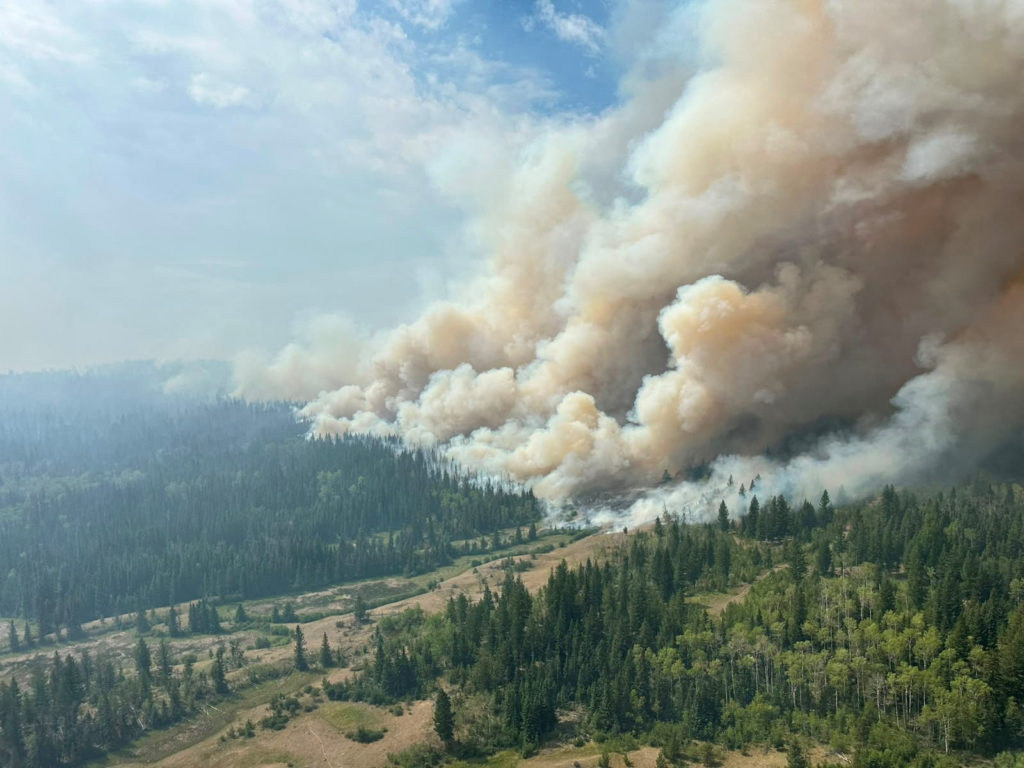
A new study from the World Weather Attribution (WWA) group finds that human-caused climate change increases the likelihood of the extreme “fire weather” conditions that contributed to Canada’s summer wildfires, which burned more than 7 million acres. The study’s authors say that the specific combination of heat, lack of rain, low humidity, and wind in areas such as the Northwest Territories and northwestern Ontario was about twice as likely under current climate conditions than it would be without roughly 2.5 degrees Celsius of warming since the industrial era.
The findings come as U.S. President Donald Trump attributes the damage to mismanagement, including statements about possible punishment for Canada over fire management and criticism related to smoke affecting the United States. Scientists quoted across the outlets say the study shifts the focus toward climate-driven risk, and they cite the role of long-term U.S. emissions of heat-trapping gases from fossil fuels. The WWA study is described as rapid and not yet peer reviewed, but it uses methods designed to detect “climate fingerprints” in extreme-weather events.