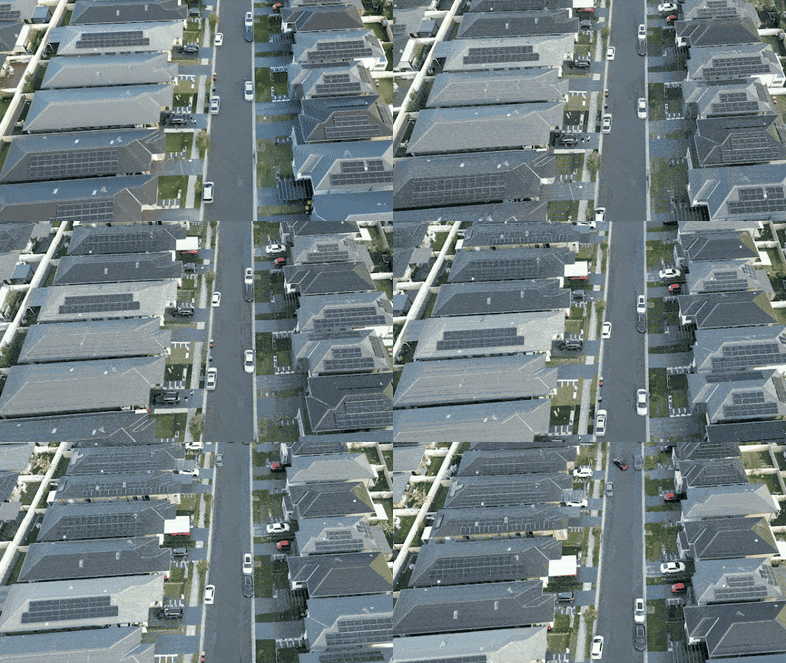
New reporting describes how some new housing projects in western Sydney are being built in ways that can increase heat levels, including features such as darker roof materials, limited tree canopy, and road or surface designs that absorb more heat.
The articles frame the issue as part of the tension between meeting housing demand and addressing climate and public-health risks. They argue that rapid development to address the housing crisis can proceed without adequate heat-mitigation measures, so the “solution” to one problem may intensify another—hotter streets and homes during extreme weather. The outlets focus on the urban design impacts of neighbourhood planning choices rather than attributing blame to a single policy.
While all sources discuss the same broad concerns about heat exposure, their emphasis differs in how they link design decisions to governance. One common thread is that improving outcomes requires integrating heat-resilient planning, such as increasing shade and using materials and layouts that reduce heat buildup, alongside housing growth.