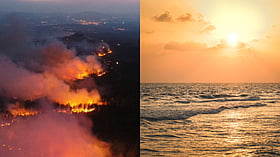
Western Europe experiences its hottest June and July on record, according to the EU’s Copernicus Climate Change Service. The monitor reports that the combined average temperature for June–July is 21.62°C, about 2.79°C above the long-term norm, beating the previous record set in 2022.
Outlets also link the extreme temperatures to widespread drought conditions and impacts on water. Deutsche Welle and others report unusually dry soils, low rainfall and major rivers running low, with stress on water supplies, irrigation and power generation. Al Jazeera and The Local similarly cite historically low rainfall worsening conditions across several countries, while describing heatwaves and ongoing wildfire activity.
Some outlets add broader context about what could influence the remainder of the year. DW notes a strengthening El Niño that could push global temperatures even higher later in 2026. While the reporting differs in emphasis—heat and records (CNA, Channel NewsAsia; The Local) versus drought and water-river impacts (DW) versus fire and damage (Egypt Independent, Al Jazeera)—they agree on the Copernicus-based record warmth and the concurrent extreme conditions.