


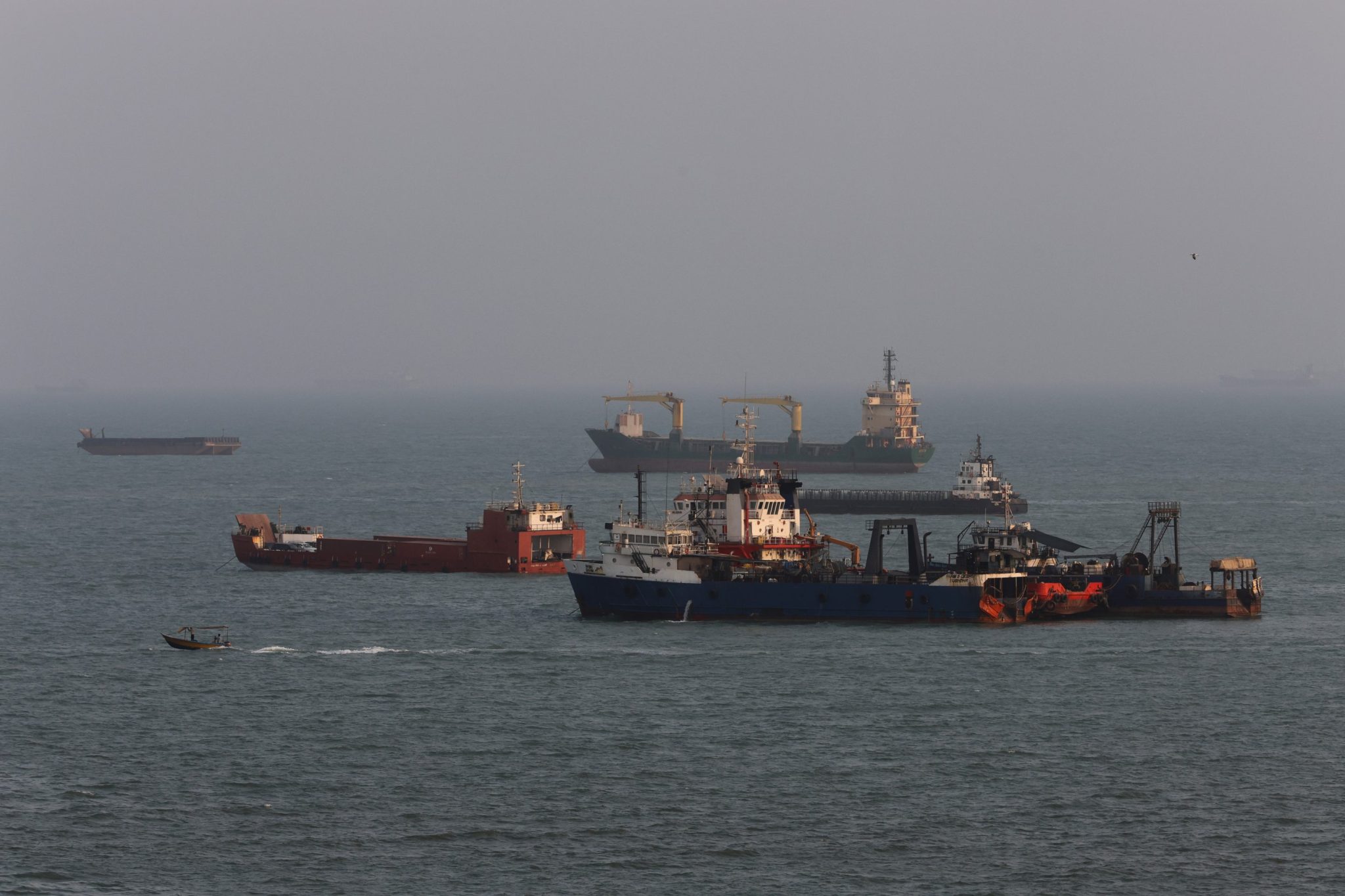
President Donald Trump moves to renew U.S. economic pressure on Iran, relying again on sanctions and a naval blockade after nearly six months of war and what outlets describe as fading alternatives.
Multiple reports say the shift follows signs that other approaches have not produced results, including stop-start diplomacy that appears stalled. NPR and The Hindu also point to concerns that U.S. stockpiles of key weapons have dwindled, adding urgency to a strategy that leans more on financial and maritime pressure than continued battlefield buildup. While reporting notes that Trump frames earlier moves as part of a long-running attempt to curb Iran’s nuclear ambitions, he now argues that renewed “pressure” could still lead to a breakthrough.
Outlets largely agree on the direction of the policy change—greater sanctions and enforcement at sea—while varying in emphasis. Fortune highlights a “pivot” back to a sanctions-and-blockade approach aimed at the “entrenched” regime. Other sources foreground the diplomatic stalling and resource considerations as the backdrop to the decision. Several wire-based versions attribute key background details to AP-style reporting.


