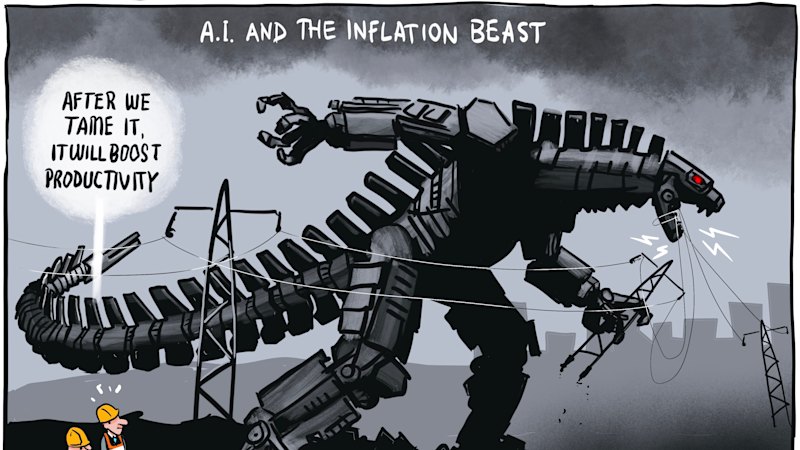
AI is increasingly being positioned as a solution to major real-world challenges, but multiple outlets argue that its near-term effects may be harmful or disruptive before any improvements materialise. The articles frame AI as “the opposite of a painkiller,” suggesting it can intensify existing issues even as expectations remain that it will eventually help.
Across the three sources, the core theme is a cautious, time-sensitive view of AI’s impact. They describe how new capabilities can create new risks and complications in the short run, including unintended outcomes as systems are deployed in complex environments. At the same time, they do not dismiss AI’s promise outright; instead, they suggest that benefits—where they occur—are more likely to emerge after adjustment, regulation, and improved alignment of tools with human needs.
While the headlines share the same wording, the overall angle is consistent: optimism about future potential is tempered by the likelihood of transitional disruption. The articles collectively emphasize that managing AI’s effects is as important as building the technology itself.