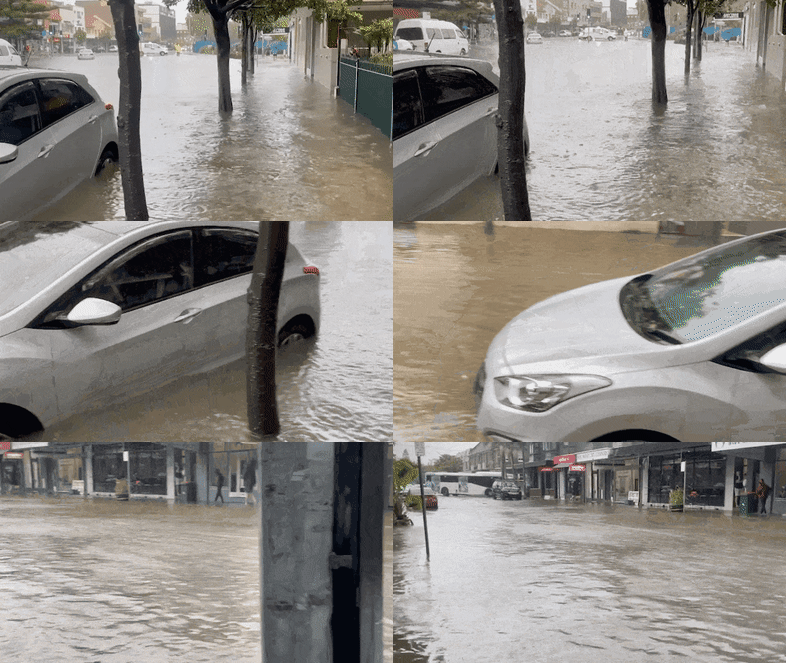
Coastal flooding is emerging as a major climate risk for communities along New South Wales’ low-lying coast, with sea level rise expected to progressively worsen inundation. Multiple outlets describe suburbs and townships built around coastal lagoons, lakes and estuaries, where higher water levels can make some areas increasingly difficult—or eventually impossible—to inhabit.
The reporting frames the risk as gradual but consequential, with impacts building over time rather than occurring only during major storms. While the sources use similar geographic context and describe the same underlying driver—rising sea levels—they differ mainly in emphasis. Some focus on how existing settlement patterns leave particular places exposed, while others highlight the longer-term prospect that infrastructure and residents may need to shift as flooding risk escalates. Across the outlets, the central theme is that coastal inundation is a “sleeper” issue: it grows steadily and can become a decisive factor for future land use and community planning.