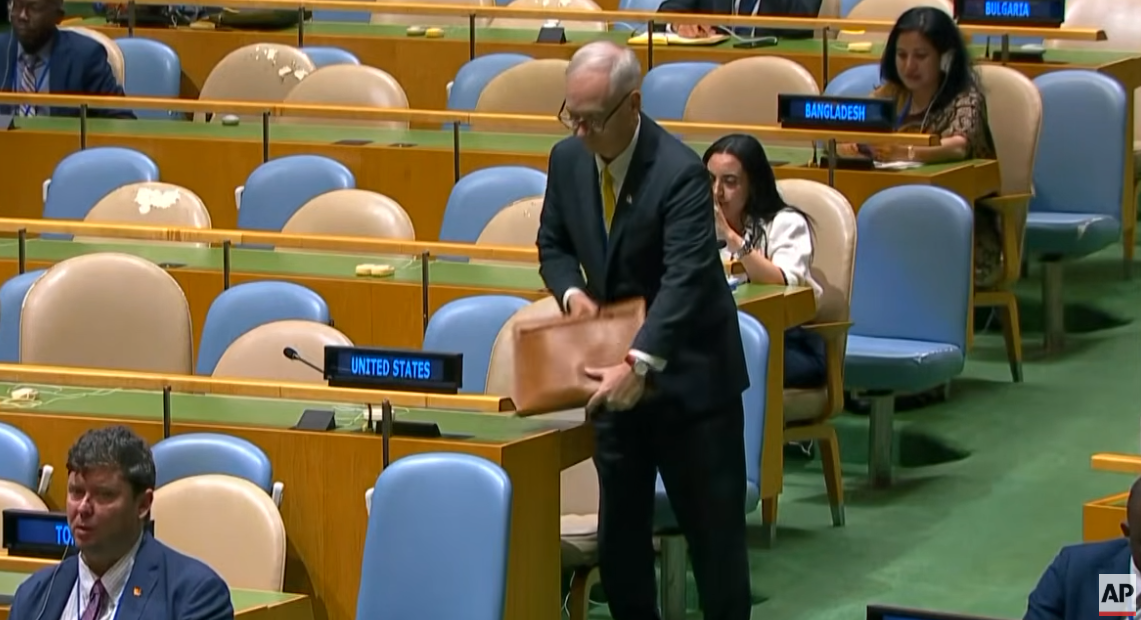
The United States imposes sanctions on International Criminal Court (ICC) president Tomoko Akane and senior trial lawyer Abdoulaye Seye. Multiple outlets report the measures announced by the US State Department include freezing any assets the individuals have in US jurisdictions and restricting access to the US financial system.
The ICC responds by condemning the sanctions as a “flagrant attack” on the court’s independence. France 24 and The Guardian report the ICC says the move undermines the tribunal’s ability to function and vows to continue pursuing accountability for atrocities. NDTV and other reports describe the US position as part of a campaign against the ICC, which the US criticizes as politicised.
European officials are also cited as immediately supporting Akane and other top ICC figures. Japan’s stance is highlighted by Free Malaysia Today as opposing the sanctions. Across coverage, outlets largely align on who is sanctioned and that the ICC and its backers frame the action as an attack on institutional independence, while the US frames it as necessary pressure against alleged politicisation.