


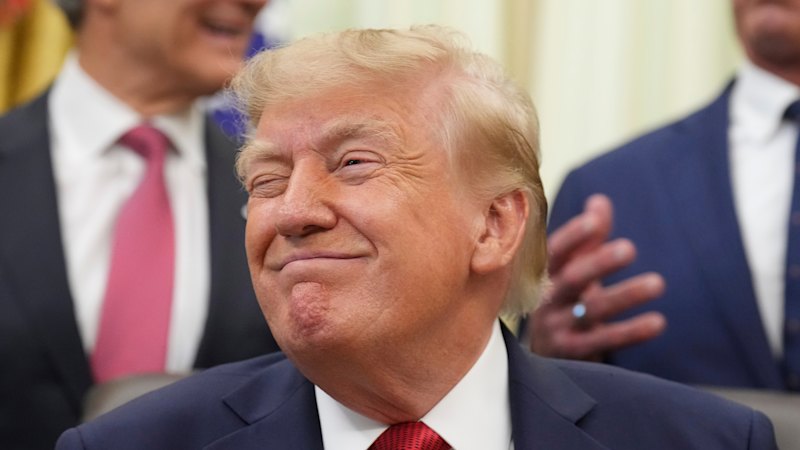
Donald Trump returns to office with a promise of unprecedented media access, but multiple outlets say the practice falls short of the transparency pledge and changes the style and reach of coverage. The outlets describe an approach that prioritizes broad access while, in their view, limiting the presence or influence of more traditional or in-depth journalism.
All three pieces argue that the resulting media environment produces a different kind of reporting than the “most transparent White House” language suggests. They contend that access becomes more oriented toward television and spectacle rather than detailed scrutiny, and that this contributes to coverage they characterise as more sensational and less substantive. The analysis across outlets focuses less on specific policy outcomes and more on how communications and access shape who reports and what gets emphasized. The repeated comparison to propaganda-style coverage reflects their shared assessment of the direction of messaging and media engagement, though each outlet frames the critique through its own wording.


