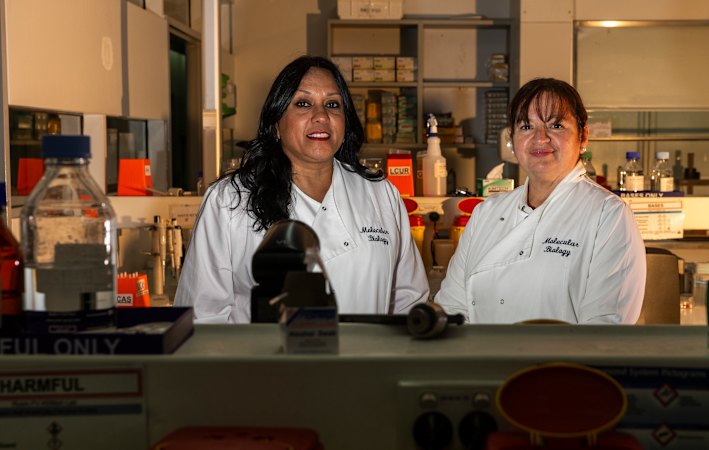
Forensic scientists identify “Alcove Man,” a man who died homeless in a Melbourne suburb more than two decades ago, after a 22-year effort to determine his identity. The reporting says he survived World War II, but his name and personal history remained unknown for years.
The breakthrough comes through international forensic genetics. Multiple outlets describe a global genetic search spanning seven countries, using DNA analysis to match the man’s genetic profile with relatives or reference samples located across borders. This approach links the individual to a wider family or population data set, allowing investigators to move from an unknown body to an identified person with a recorded past.
Across the articles, the common focus is the use of cross-country collaboration and advanced DNA searching to solve a long-running case. The stories emphasize the humanitarian framing—ensuring the man is given a name—while underscoring that the work relies on scientific matching rather than eyewitness accounts.