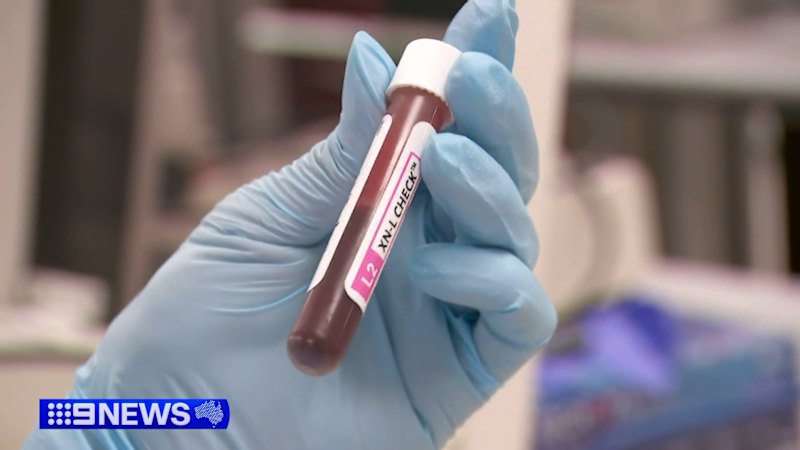
Researchers in Brisbane report a breakthrough that allows blood to be grown in a laboratory, offering potential new options for people with rare blood types. The work is presented as a way to improve access to compatible blood for families who struggle to find suitable donations.
The outlets describe the development in similar terms, framing it as a futuristic approach that could reduce delays and scarcity associated with rare blood groups. While all coverage focuses on the promise of lab-grown blood, the articles differ in how they describe implications for patients and the broader health system. Collectively, they position the research as early-stage but potentially transformative, particularly for individuals whose rare blood type makes matching difficult.
Across the reports, the central context is that reliable supplies of specific rare blood types can be limited. All sources point to Brisbane-based research as the driver of the advance and emphasize the goal of expanding treatment possibilities for affected Australians.