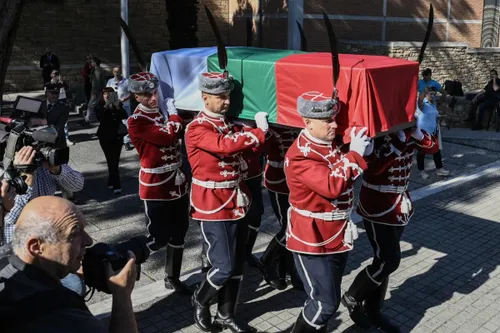
Greece is sending the remains of medieval ruler Tsar Samuel to Bulgaria, with the handover taking place as his remains are flown to Sofia for a state reception. The transfer follows decades of negotiations between the two countries after the remains were discovered in a Greek border area more than 60 years ago.
Bulgaria plans to receive the remains with formal ceremonies, including a military aircraft arrival and state honours such as a procession and public access to pay respects at St Sophia Church in Sofia. While most outlets focus on the historical and diplomatic significance of the return, they also note that Tsar Samuel is claimed as part of broader regional heritage. Deutsche Welle and IOL add that the remains’ legacy is also contested by North Macedonia, and that the exchange involves related cultural artefacts connected to World War I.
Across coverage, the main differences are emphasis and framing: some stories underline the length of the Greek-Bulgarian negotiations and the scale of the ceremony, while others foreground the wider Balkan identity disputes and the symbolism of the remains for national narratives.