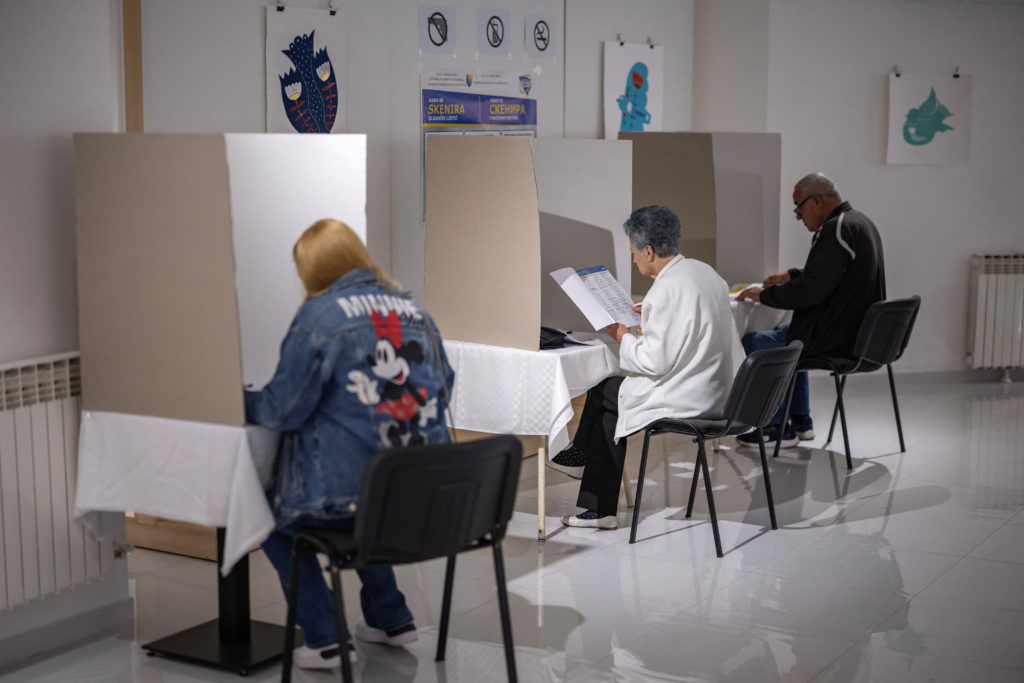
Bosnia and Herzegovina holds a general election on Sunday as about 3.4 million voters choose members of the country’s multi-ethnic presidency, lawmakers for the national parliament, and heads of institutions for the two entities. The election also occurs amid long-running political and social divisions tied to the 1992–95 war.
Across outlets, reporting centers on competing themes: many voters focus on everyday concerns, while some politicians and political currents continue to draw on wartime tensions that keep the country divided. PBS NewsHour and Euronews emphasize the country’s complex governance structure and the scale of the vote. ABC News likewise stresses voters’ day-to-day priorities. Other outlets, including France 24 and the Washington Times, highlight the wider geopolitical stakes, describing a pro-Russian figure or influence as a factor and pointing to concerns related to Bosnia’s stalled EU membership bid and Russia’s role.
With the election outcomes set to shape political direction, outlets converge on the idea that ethnic fault lines and external influence remain central to the context, even as public attention also rests on domestic issues.