Unknown
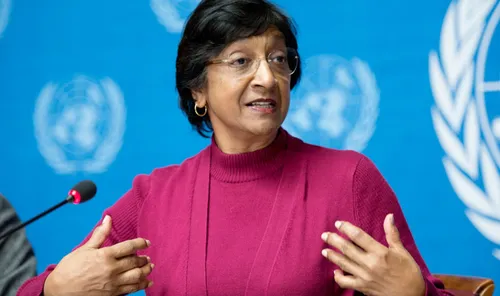
Navanethem “Navi” Pillay wins 2026 Nobel Peace Prize
The Kathmandu Post
1 month ago
Congratulations to Durban-born Navi Pillay for winning the Nobel Peace Prize
IOL (South Africa)
1 month ago
Navi Pillay’s Nobel Peace Prize is an insult to Jewish communities - opinion
Jerusalem Post
1 month ago
Navi Pillay’s Nobel Peace Prize is an example of how international law trumps th...
The Conversation
1 month ago
Hamas praises Nobel Peace Prize winner Navi Pillay over genocide allegations aga...
Jerusalem Post
1 month ago
Navi Pillay: South Africa’s champion of justice
IOL (South Africa)
1 month ago
Hours after Navi Pillay’s Nobel win, US sanctioned her former court [video]
The South African
1 month ago
I’m Navi Pillay’s biographer. Here’s what I learnt about the Nobel Peace Prize w...
The Independent
1 month ago
How Navi Pillay challenged apartheid and shaped international justice
IOL (South Africa)
1 month ago
Navi Pillay’s Nobel rewards the Israel genocide lie
Washington Examiner
1 month ago
Navi Pillay: ‘Justice is integral to peace’ after Nobel Peace Prize win
IOL (South Africa)
1 month ago
INSPIRATION FOR A NATION: Navi Pillay’s Nobel Prize honours a heroic generation;...
Daily Maverick
1 month ago
South African judge Pillay who won 2026 Nobel laureate visits ICC
The Punch (Nigeria)
1 month ago
Navi Pillay’s Nobel Peace Prize Is a Vote of Confidence in a Global Legal Order...
Inter Press Service
1 month ago
News24 | ANALYSIS | Navi Pillay’s Nobel Prize a vote of confidence in global leg...
News24
1 month ago
‘Totally unfair’: Navi Pillay slams US sanctions against ICC
Al Jazeera - News
1 month ago
Who is Navi Pillay, the South African judge who won the Nobel prize? We asked he...
The Conversation
1 month ago
Nobel Peace Prize Winner Pillay Slams Trump Administration’s ‘Cruel’ Internation...
Forbes
1 month ago
Nobel peace laureate Navi Pillay defends international justice, slams U.S. moves...
The Independent
1 month ago
Nobel Prize 2026: Full list of this year’s winners
The Hindu
1 month ago
Africa: UN Human Rights Chief Hails Award of Nobel Peace Prize to Navi Pillay
AllAfrica
1 month ago
Judge Navi Pillay: ‘Justice is integral to peace’
IOL (South Africa)
1 month ago
Nobel laureate Navanethem Pillay: ‘Justice is integral to peace’
IOL (South Africa)
1 month ago
Africa: AU Commission Chairperson Congratulates Navi Pillay On Nobel Peace Prize
AllAfrica
1 month ago
Rafaa Ben Achour: Le Nobel de la paix attribué à la personne qu’il faut, au mome...
leaders.com.tn
1 month ago
Message of peace: on the 2026 Nobel Peace Prize
The Hindu
1 month ago
Navi Pillay: The bus driver’s daughter who refused to back down
IOL (South Africa)
1 month ago
Navi Pillay joins South Africa’s Nobel Peace Prize legacy
IOL (South Africa)
1 month ago
Amnesty hails Navi Pillay’s Nobel Peace Price as win for international justice
New Zimbabwe
1 month ago
Irish president Catherine Connolly praises decision to award Nobel Peace Prize t...
Irish Mirror - Home
1 month ago
Navi Pillay | The jurist and a redemption
The Hindu
1 month ago
As Trump lashes out, praise pours in for Nobel Peace Prize-winner Navi Pillay
The Independent
1 month ago
Watch Navi Pillay Win Nobel Peace Prize for Upholding Global Justice
Psychology Headlines Around the World
1 month ago
Navi Pillay’s Nobel peace prize is a vote of confidence in a global legal order...
The Conversation - Africa
1 month ago
Rash: A Nobel nod to an individual — and institutions backing international law
Star Tribune - Opinion
1 month ago
Navi Pillay joins South Africa’s Nobel Peace Prize legacy
IOL section feed for News
1 month ago
‘A source of pride for South Africa’: Chief Justice Mandisa Maya on Navi Pillay’...
IOL (South Africa)
1 month ago
An International Career Forged by the Struggles of Apartheid
The New York Times - World
1 month ago
Nobel Peace Prize: Navi Pillay, ex-ICC judge and UN rights head wins
Inquirer.net (Philippines)
1 month ago
South African-born jurist Navi Pillay wins Nobel Peace Prize for work in interna...
Korea Times
1 month ago
Right call
Times of India
1 month ago
Jurist Navi Pillay receives this year’s Nobel Peace Prize
Taipei Times
1 month ago
Navi Pillay wins Nobel Peace Prize after long career of investigating war crimes
PBS NewsHour
1 month ago
They’ve done it again: the Nobel Committee just disgraced itself once more
New York Post
1 month ago
Israeli PM calls Nobel winner Pillay a ‘bigot’ against Jews
Free Malaysia Today
1 month ago
South African human rights lawyer Navi Pillay wins Nobel Peace Prize
NPR World
1 month ago
South African judge wins Nobel Peace Prize, signalling pushback to U.S. campaign...
Globe and Mail - World
1 month ago
Nobel Peace Prize for 2026 Awarded to Anti-Israel South African Judge
Breitbart News
1 month ago
And the Nobel Prize for Antisemitism Goes to. . .
The Free Press
1 month ago
Navi Pillay's Nobel Peace Prize sharpens Israel's clash with global courts
India Today
1 month ago
Who is Navi Pillay? Nobel Peace Prize winner's UN record renews fierce antisemit...
Fox News
1 month ago
Who is Navi Pillay? From apartheid-era lawyer to Nobel Peace Prize winner
IOL (South Africa)
1 month ago
Who is Navi Pillay? From apartheid-era lawyer to Nobel Peace Prize winner
IOL section feed for News
1 month ago
Navi Pillay, South African Jurist, Is Awarded the Nobel Peace Prize
The New York Times - Homepage
1 month ago
Ahmed Kathrada Foundation congratulates Navi Pillay on Nobel Peace Prize
IOL (South Africa)
1 month ago
Navi Pillay: the campaigning lawyer who defied apartheid
Financial Times - World
1 month ago
Navi Pillay awarded Peace Prize: 'Lifetime spent fighting for what's right &...
France 24 English
1 month ago
Nobel winner Navi Pillay warns international law is under attack
Globe and Mail - World
1 month ago
Why Navi Pillay's Nobel Peace Prize Win Is a Huge Blow to Israel
Newsweek
1 month ago
‘Navi’ Pillay dedicates Nobel Prize to ‘survivors of international crimes’
The Hindu
1 month ago
Netanyahu leads outcry over ICC judge who declared genocide in Gaza being awarde...
Washington Examiner
1 month ago
Israel Denounces the Decision to Award the Nobel Peace Prize to Navi Pillay
The New York Times - World
1 month ago
Israel calls Navi Pillay's win a 'grotesque weaponization' of Nobel Peace Prize
The Hill
1 month ago
Jurist Navi Pillay wins Nobel Peace Prize for work from apartheid to global just...
Courthouse News
1 month ago
"Bigot, Corrupt Prosecutor": Netanyahu On Peace Nobel Winner Navi Pillay
NDTV
1 month ago
Israel scolds pick amid Pillay Nobel Peace Prize praise
PerthNow
1 month ago
Israel scolds pick amid Pillay Nobel Peace Prize praise
The West Australian
1 month ago
Watch: Who is Nobel Peace Prize winner Navi Pillay?
BBC News
1 month ago
Navi Pillay is known for her work in conflict zones across the world.
The New York Times - World
1 month ago
Israel a rare dissenting voice as praise pours in for Nobel Peace Prize winner N...
France 24 English
1 month ago
Nobel Peace Prize awarded to UN jurist who accused Israel of committing genocide...
Fox News
1 month ago
Pillay: From global rights activist to Nobel Prize winner
RTE News (Ireland)
1 month ago
Navi Pillay dedicates Nobel Peace Prize to 'survivors of international crimes'
Middle East Eye
1 month ago
Navi Pillay wins Nobel Peace Prize, drawing praise and Israel's anger
India Today
1 month ago
News24 | ‘I hope this is not a joke,’ says SA’s Navi Pillay after winning 2026 N...
News24
1 month ago
Navi Pillay wins 2026 Nobel Peace Prize for defending international law
India Today
1 month ago
Israel accuses Navi Pillay of promoting ‘genocide lie’ after Nobel recognition
Middle East Eye
1 month ago
No peace without international law: The message behind Navi Pillay’s Nobel
France 24 English
1 month ago
Peace prize winner Navi Pillay has served as a judge across multiple internation...
Winnipeg Free Press (Canada)
1 month ago
Peace prize winner Navi Pillay has served as a judge across multiple internation...
The Independent
1 month ago
Justice Navi Pillay’s Nobel win hailed as triumph for South Africa and its legal...
IOL section feed for News
1 month ago
Justice Navi Pillay’s Nobel win hailed as triumph for South Africa and its legal...
IOL (South Africa)
1 month ago
Navi Pillay urges leaders to protect rights after winning 2026 Nobel Peace Prize
India Today
1 month ago
DUT and UKZN celebrate Judge Navi Pillay’s 2026 Nobel Peace Prize win
IOL (South Africa)
1 month ago
DUT and UKZN celebrate Judge Navi Pillay’s 2026 Nobel Peace Prize win
IOL section feed for News
1 month ago
Nobel Peace Prize goes to Navi Pillay, former UN human rights chief
Global News (Canada)
1 month ago
Nobel Peace Prize for head of UN commission that found Israel committed genocide...
News Laundry
1 month ago
Praise pours in for Nobel Peace Prize laureate Navi Pillay even as Israel critic...
Winnipeg Free Press (Canada)
1 month ago
Praise pours in for Nobel Peace Prize laureate Navi Pillay even as Israel critic...
Winnipeg Free Press
1 month ago
Praise pours in for Nobel Peace Prize laureate Navi Pillay even as Israel critic...
The Independent
1 month ago
Nobel Peace Prize laureate Pillay says she’s stunned by the honour
Jowhar.com
1 month ago
Nobel Peace Prize 2026: ICC Hails Indian-Origin Jurist Navi Pillay's Fight Again...
Free Press Journal
1 month ago
Former UN High Commissioner for Human Rights and other things to know about 2026...
Legit.ng
1 month ago
Nobel peace prize winner Navi Pillay jokes about sharing award with Donald Trump...
The Guardian - Europe
1 month ago
GLOBAL RECOGNITION: SA’s Navi Pillay wins Nobel Peace Prize for championing peac...
Daily Maverick
1 month ago
UN human rights office welcomes Nobel Prize winner Pillay as staunch defender of...
Daily Maverick
1 month ago
ICC hails Nobel Peace Prize for Pillay as recognition for international justice
Daily Maverick
1 month ago
SA’s Navi Pillay wins Nobel Peace Prize for championing peace and international...
Daily Maverick
1 month ago
Navi Pillay, who accused Israel of genocide, wins Nobel Peace Prize
National Post
1 month ago
South Africa's Navanethem 'Navi' Pillay, who accused Israel of genocide in Gaza,...
Jerusalem Post
1 month ago
'I May Share Prize With Trump': Navi Pillay's Hilarious First Reaction After Nob...
Free Press Journal
1 month ago
Navi Pillay: A life dedicated to justice and human rights | Timeline
The Hindu
1 month ago
'I still want to verify this information,' Navi Pillay jokes in response to Nobe...
Globe and Mail - World
1 month ago
South African judge Navi Pillay wins 2026 Nobel Peace Prize
Globe and Mail - World
1 month ago
Navi Pillay — South Africa's global rights activist and Nobel winner
Dawn (Pakistan)
1 month ago
UN's Turk calls Nobel award 'collective win' for human rights and justice
Al-Monitor
1 month ago
Navi Pillay wins 2026 Nobel Peace Prize for championing global justice
India Today
1 month ago
'I may share it with Trump': Navi Pillay jokes after winning Nobel Peace Prize
Times of India
1 month ago
Navi Pillay wins the Nobel Peace Prize for her work in international justice
France 24 English
1 month ago
Ex-UN human rights chief, ICC judge Navi Pillay wins Nobel Peace Prize
Inquirer.net (Philippines)
1 month ago
South African former UN human rights chief Navi Pillay wins Nobel Peace Prize
RFI English
1 month ago
South African judge Navi Pillay wins Nobel Peace Prize
Toronto Sun
1 month ago
Judge Navi Pillay awarded 2026 Nobel Peace Prize for international justice work
IOL (South Africa)
1 month ago
Trump’s Self-Promoted Nobel Campaign Comes Up Empty Again As Indian-Origin Navi...
Swarajya
1 month ago
‘Is it April fool’s?’ Navi Pillay reacts to Nobel Peace Prize news
Al Jazeera - News
1 month ago
Navi Pillay, eminent South African jurist, awarded the 2026 Nobel Peace Prize
Middle East Eye
1 month ago
‘I still want to verify this’: Nobel Peace Prize winner Navi Pillay’s first reac...
Euronews
1 month ago
‘I still want to verify this’: Nobel Peace Prize winner Navi Pillay’s first reac...
Euronews English
1 month ago
Navi Pillay wins 2026 Nobel Peace Prize
Cyprus Mail
1 month ago
‘We are very proud’: Durban celebrates Navi Pillay’s Nobel Peace Prize
IOL (South Africa)
1 month ago
WATCH | Nobel winner Navi Pillay jokes about sharing prize with Donald Trump
IOL section feed for News
1 month ago
South African wins Nobel Peace Prize 2026 for decades of human rights work
Legit.ng
1 month ago
From Durban to Oslo: Durban-born judge Navi Pillay wins Nobel Peace Prize
The South African
1 month ago
South African jurist Navi Pillay wins Nobel Peace Prize
Semafor
1 month ago
Navi Pillay Wins 2026 Nobel Peace Prize; Jurist Honoured For Global Law And Just...
India Today
1 month ago
Former ICC judge Navi Pillay wins 2026 Nobel Peace Prize
Rappler
1 month ago
Navi Pillay, a South African Human Rights Lawyer, Is Awarded the Nobel Peace Pri...
The New York Times - World
1 month ago
South African judge Navi Pillay wins 2026 Nobel Peace Prize
The Punch (Nigeria)
1 month ago
South African jurist Navanethem Pillay wins 2026 Nobel Peace Prize
New Zimbabwe
1 month ago
Judge Navi Pillay beats Donald Trump to win Nobel Peace Prize 2026 - latest
The Mirror
1 month ago
WATCH | Nobel winner Navi Pillay jokes about sharing prize with Donald Trump
IOL (South Africa)
1 month ago
South African Human Rights Lawyer Navi Pillay Wins Nobel Peace Prize
Novinite
1 month ago
Former ICC judge Navi Pillay wins 2026 Nobel Peace Prize
GMA News Online / News
1 month ago
Nobel Peace Prize for 2026 to Navanethem "NAVI" Pillay
Hacker News
1 month ago
Judge Navi Pillay wins 2026 Nobel Peace Prize
IOL (South Africa)
1 month ago
REPLAY: 2026 Nobel Peace Prize awarded to Navanethem ‘Navi’ Pillay
France 24 English
1 month ago
Judge Navi Pillay wins 2026 Nobel Peace Prize
IOL (South Africa)
1 month ago
Navi Pillay's Academic Journey: How Bus Driver’s Daughter Became A Harvard-Train...
Free Press Journal
1 month ago
Navanethem 'Navi' Pillay wins the Nobel Peace Prize: ‘Source of hope and inspira...
7News Australia
1 month ago
Navanethem 'Navi' Pillay wins the Nobel Peace Prize for her work in internationa...
Korea Times
1 month ago
South Africa's Navanethem 'Navi' Pillay wins 2026 Nobel Peace Prize
Dawn (Pakistan)
1 month ago
What Is The Indian Connection Of Navi Pillay? Tamil Descent Wins Nobel Peace Pri...
Free Press Journal
1 month ago
Nobel Peace Prize awarded to former ICC judge Navanethem "Navi" Pillay
CBS News
1 month ago
The 2026 Nobel Peace Prize has been awarded to Navi Pillay for her efforts to pr...
Aravot
1 month ago
Navanethem “Navi” Pillay wins Nobel Peace Prize 2026
The Hindu
1 month ago
Judge Navi Pillay beats Donald Trump to win Nobel Peace Prize 2026 - latest
The Mirror
1 month ago
Navi Pillay | Enabler of justice
The Hindu
1 month ago
South Africa lawyer Navanethm 'Navi' Pillay wins Nobel Peace Prize for efforts t...
CNBC - Top News
1 month ago
South Africa's Navi Pillay wins Nobel Peace Prize
IOL section feed for News
1 month ago
South Africa's Navanethem 'Navi' Pillay wins 2026 Nobel Peace Prize
Al-Monitor
1 month ago
Former ICC judge Navi Pillay wins 2026 Nobel Peace Prize
Al-Monitor
1 month ago
UN human rights office welcomes Nobel Prize winner Pillay as staunch defender of...
Al-Monitor
1 month ago
Who is Navi Pillay? What to know about the Nobel Peace Prize winner
The Independent
1 month ago
Navi Pillay: Nobel laureate who led UN inquiry that found genocide in Gaza
The Express Tribune
1 month ago
South Africa’s Navi Pillay Wins Nobel Peace Prize
Kyiv Post
1 month ago
Nobel Peace Prize awarded to international jurist Navi Pillay
Business Line - Home
1 month ago
JUST IN: SA jurist and human rights lawyer Navi Pillay wins 2026 Nobel Peace Pri...
The Citizen (South Africa)
1 month ago
Nobel Peace Prize Goes To Navanethem "Navi" Pillay: All About Her India Connect
NDTV
1 month ago
Who is Navi Pillay, Indian-origin Tamil South African jurist who won Nobel Peace
India Today
1 month ago
Indian-Origin Navanethem "Navi" Pillay Awarded Nobel Peace Prize 2026
NDTV
1 month ago
Who Is Indian-Origin Navanethem 'Navi' Pillay? All About Her Journey To The 2026...
Free Press Journal
1 month ago
Who is Navi Pillay? India-origin lawyer wins Nobel Peace Prize 2026 — Know all a...
Mint (India)
1 month ago
ICJ judge Navi Pillay wins Nobel peace prize for promoting international law
The Guardian - World
1 month ago
South Africa’s Navi Pillay wins Nobel Peace Prize
Vanguard (Nigeria)
1 month ago
Navi Pillay wins Nobel Peace Prize
Al Jazeera - News
1 month ago
Navi Pillay, The 2026 Nobel Peace Prize Winner, Has An Indian Connection
NDTV
1 month ago
Nobel Peace Prize 2026: Navi Pillay honoured as Nobel Committee calls for ‘a pea...
Mint (India)
1 month ago
South Africa's Navi Pillay wins Nobel Peace Prize
IOL (South Africa)
1 month ago
Navanethem 'Navi' Pillay Wins the 2026 Nobel Peace Prize
TIME.com
1 month ago
Nobel Peace Prize awarded to South African jurist Navi Pillay for promoting inte...
Scroll.in
1 month ago
News24 | SA’s Navanethem ‘Navi’ Pillay awarded 2026 Nobel Peace Prize
News24
1 month ago
Navi Pillay wins the Nobel Peace Prize for her work in international justice
Washington Times
1 month ago
Navanethem 'Navi' Pillay wins the Nobel Peace Prize
Stuff.co.nz
1 month ago
Donald Trump misses out on Nobel Peace Prize to human rights campaigner
Metro
1 month ago
Navanethem "Navi" Pillay Wins The Nobel Peace Prize 2026
NDTV
1 month ago
Former UN human rights chief Navanethem ‘Navi’ Pillay wins the Nobel Peace Prize
Brisbane Times
1 month ago
Former UN human rights chief Navanethem ‘Navi’ Pillay wins the Nobel Peace Prize
The Age (Melbourne)
1 month ago
Former UN human rights chief Navanethem ‘Navi’ Pillay wins the Nobel Peace Prize
Sydney Morning Herald
1 month ago
South African judge Navi Pillay wins Nobel Peace Prize
Channel NewsAsia (CNA)
1 month ago
Breaking: Nobel Peace Prize awarded to Judge Navi Pillay
ABC Australia
1 month ago
Premiul Nobel pentru Pace. Distincția a fost acordată sud-africanei Navanethem ”...
biziday
1 month ago
Nobel Peace Pize award goes to South African jurist ‘Navi’ Pillay, recognized fo...
Washington Examiner
1 month ago
Navanethem ‘Navi’ Pillay awarded Nobel Peace Prize
The Washington Post - World
1 month ago
Le prix Nobel de la paix décerné à l’avocate sud-africaine Navanethem Pillay « p...
Le Monde Afrique (English)
1 month ago
Nobel Peace Prize goes to international jurist Navi Pillay
Japan Times
1 month ago
Who is Navanethem Pillay? South African jurist of Indian-origin awarded Nobel Pe...
Times of India
1 month ago
Nobel Peace Prize Goes to Jurist Navi Pillay
Bloomberg - Politics
1 month ago
Navanethem ‘Navi’ Pillay wins 2026 Nobel Peace Prize
South China Morning Post
1 month ago
Former UN human rights chief Navanethem ‘Navi’ Pillay wins Nobel Peace Prize
Post
1 month ago
Nobel Peace Prize goes to Navanethem Pillay for promoting peace, international l...
ABCNews.com
1 month ago
Navanethem 'Navi' Pillay wins 2026 Nobel Peace Prize
RTE News (Ireland)
1 month ago
Navanethem ‘Navi’ Pillay wins Nobel Peace Prize
Globe and Mail - World
1 month ago
Jurist Navi Pillay wins Nobel Peace Prize for 2026
Euronews
1 month ago
2026 Nobel Peace Prize awarded to Navi Pillay
Al Jazeera - News
1 month ago
Nobel Prize for Peace goes to South African jurist of Indian Tamil origin Navane...
India Today
1 month ago
South African jurist of Indian origin Navi Pillay wins 2026 Nobel Peace Prize
Times of India
1 month ago
South Africa's Navanethem 'Navi' Pillay Wins 2026 Nobel Peace Prize
Hacker News
1 month ago
Navi Pillay Wins Nobel Peace Prize For Her Work In International Justice
World News - Breaking News, Top Stories
1 month ago
Nobel Peace Prize Goes to International Jurist Navi Pillay
Bloomberg - Politics
1 month ago
Former UN human rights chief Navi Pillay wins 2026 Nobel Peace Prize as Trump lo...
The Independent
1 month ago
Nobel Peace Prize awarded to South African lawyer Navi Pillay
Nasha Niva
1 month ago
Nobel Peace Prize awarded to ex-UN human rights chief Navanethem ‘Navi’ Pillay
Belfast Telegraph
1 month ago
Nobel Peace Prize awarded to ex-UN human rights chief Navi Pillay
Belfast Telegraph
1 month ago
Former UN human rights chief Navi Pillay wins the Nobel Peace Prize
Sky News - UK
1 month ago
South African Human Rights lawyer Navi Pillay wins Nobel Peace Prize
NPR Top Stories
1 month ago
Nobel Peace Prize 2026 goes to Navanethem 'Navi' Pillay for her efforts to promo...
Deutsche Welle (DW) English
1 month ago
South Africa's Navanethem 'Navi' Pillay wins 2026 Nobel Peace Prize
The Express Tribune
1 month ago
Navi Pillay wins the Nobel Peace Prize for her work in international justice
City News Toronto
1 month ago
South African-born jurist Navi Pillay wins Nobel Peace Prize for her work in int...
Winnipeg Free Press