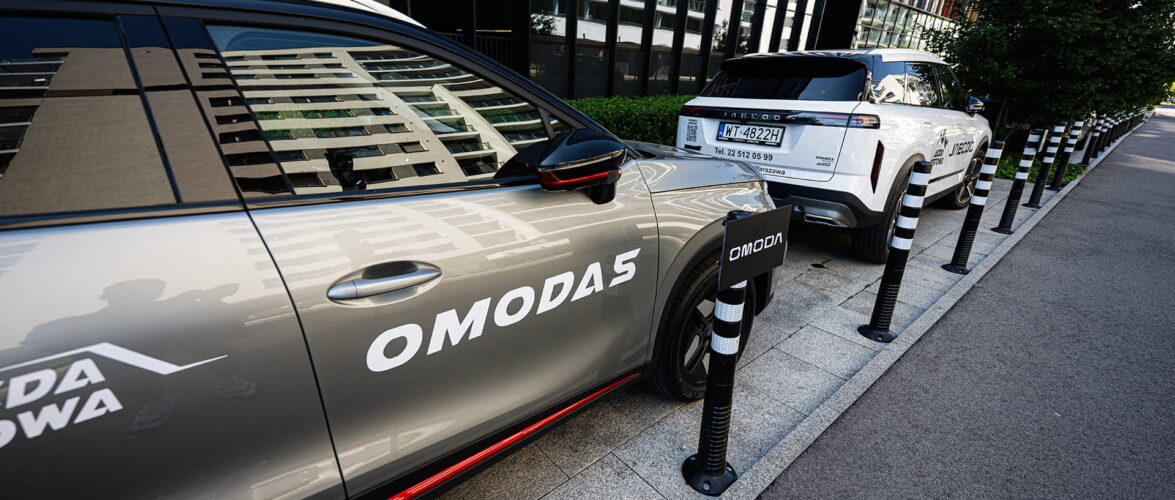
The EU and China agree to limit Chinese exports of hybrid and plug-in hybrid vehicles to the bloc at an annual quota of 350,000 cars. The European Commission describes the move as a fast, quota-based measure under WTO rules, with coordinated customs monitoring across EU member states and shipments halted once the quota is reached. The limit applies to vehicles made in China and is intended to reduce the pace of import growth after a boom in recent years.
European outlets frame the deal as both a political pause and a prompt for a tougher, longer-term approach. They say the arrangement is likely to halve Chinese hybrid exports to the EU and could lower Chinese market share to around a low single-digit level, depending on assumptions. Reports also cite EU officials and analysts discussing improved market access alongside continued scrutiny of Chinese trade practices. Some coverage notes differing assessments from Beijing, where the outlook is more muted, while the industry continues to face broader tariff and geopolitics pressures.
Separate reporting highlights the context of rising Chinese vehicle exports amid weaker domestic demand, with automakers increasingly targeting overseas markets. Coverage points to China’s push for exports and, in parallel, to EU and other governments’ trade measures shaping where hybrids and EVs can be sold. Overall, the deal is presented as a targeted compromise that changes volumes, but not necessarily the underlying trade tension.