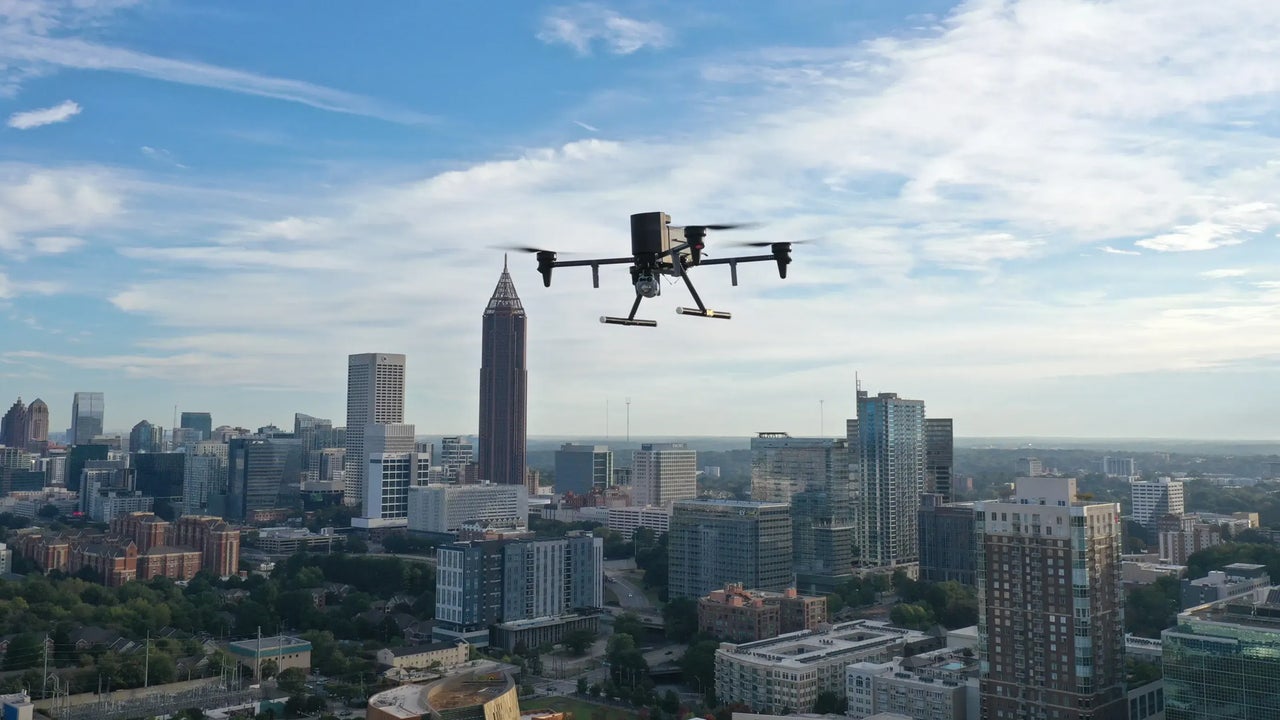
Flock Safety faces mounting criticism over its automated license plate readers (ALPRs), as some cities reportedly black out, paint over or restrict Flock equipment amid stories of misuse and broader privacy concerns. NPR and related reporting frame the controversy as part of a wider expansion of “real-time crime center” systems, which combine AI analytics, multiple data sources, and sometimes aerial drones and other sensors to monitor activity across cities.
At the same time, outlets report that Flock’s drone operations are driving growth and revenue. Flock says its drone-as-first-responder (DFR) offerings are expanding, including through acquisitions and plans to build manufacturing capacity in the United States. Law enforcement backers cite faster responses and improved safety, while civil liberties groups and some legal experts argue that high-resolution cameras and retrospective searching can intensify surveillance beyond what current constitutional rules clearly address.
The coverage also highlights San Francisco as a key battleground, where drone and related technology use is tied to policy debates and concerns about data sharing and retention. Critics argue that swapping one vendor for another will not resolve privacy and civil liberties risks inherent in mass surveillance systems; they call for enforceable limits such as data retention restrictions.