


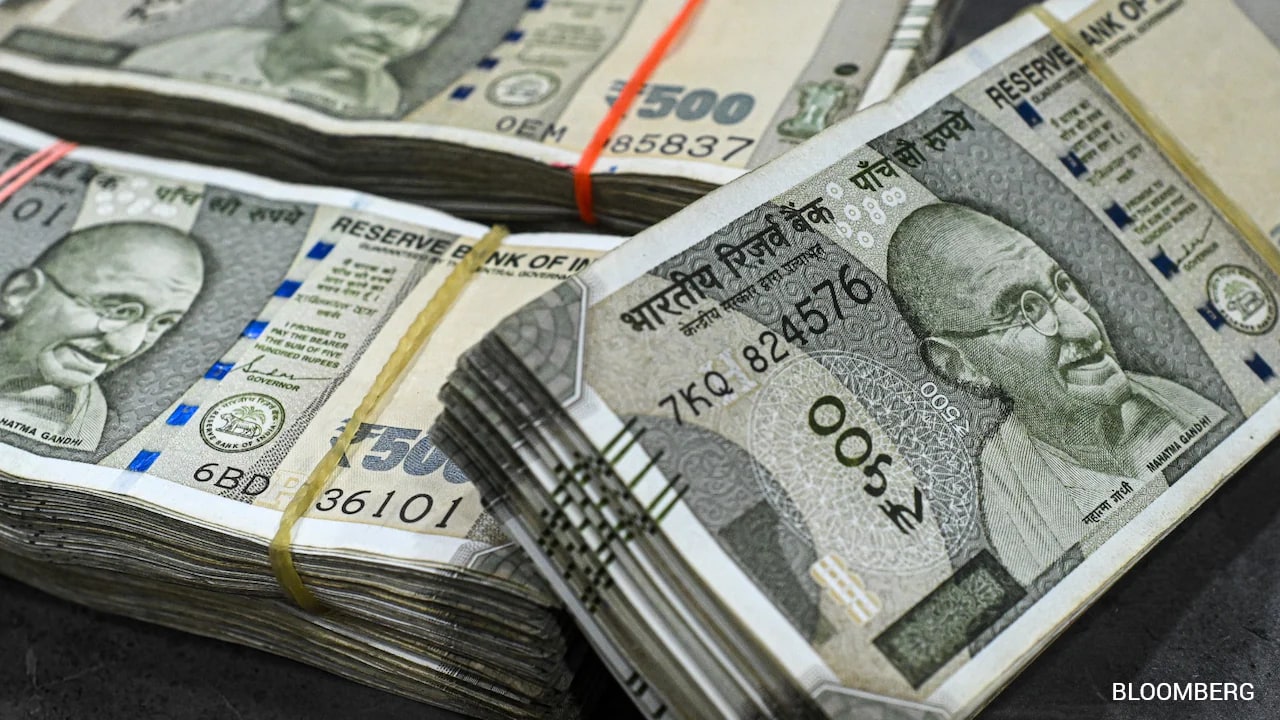
The Reserve Bank of India (RBI) takes aggressive steps to stabilize the rupee, providing some relief, but the move also disrupts parts of India’s financial markets. Outlets report that new constraints in the foreign-exchange system affect how banks and dealers hedge currency risk, raising costs and reducing available liquidity in the forex market.
Both sources link the market impact to changes that influence trading and hedging conditions. They also point to broader factors that amplify volatility, including rising oil prices and foreign capital flows. Bond yields climb sharply—reported as reaching their highest level in about three years—while foreign outflows and shifting expectations weigh on the debt market. Banks and market participants prepare for potential near-term slowdown in currency-related activity as disruptions persist into the next quarter.
Overall, the coverage aligns on a two-part outcome: the RBI’s intervention supports the rupee, while simultaneously straining liquidity and increasing hedging pressure across forex and bond markets, reflecting sensitivity to oil costs and investor flows.


