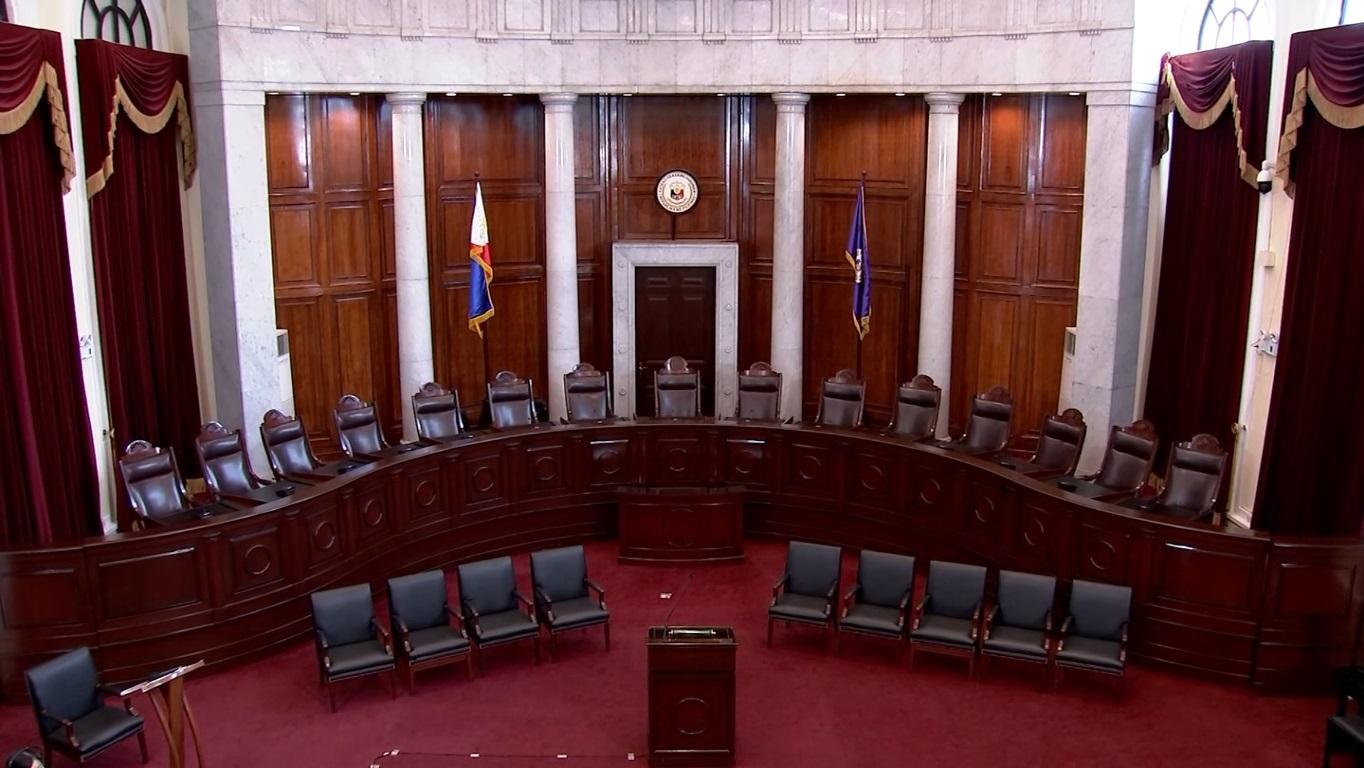
The Supreme Court rules that the Office of the Ombudsman can investigate public officials even if the Commission on Audit (COA) has not yet issued its audit findings. The decision clarifies that the Ombudsman does not need to wait for COA’s conclusions before starting or continuing its own probes.
In its ruling, the Court emphasizes that the Ombudsman and COA perform separate constitutional roles. It states that the progress—or lack of final results—of one agency’s proceedings does not halt or suspend the other’s mandate. The ruling addresses the timing of oversight actions and reinforces that parallel accountability mechanisms can operate independently under the Constitution.
Both outlets report that the Supreme Court’s decision rejects the idea that the Ombudsman must be constrained by pending COA audit outcomes. The focus is on preserving each body’s authority and ensuring that investigations by the Ombudsman can proceed based on its statutory and constitutional functions.