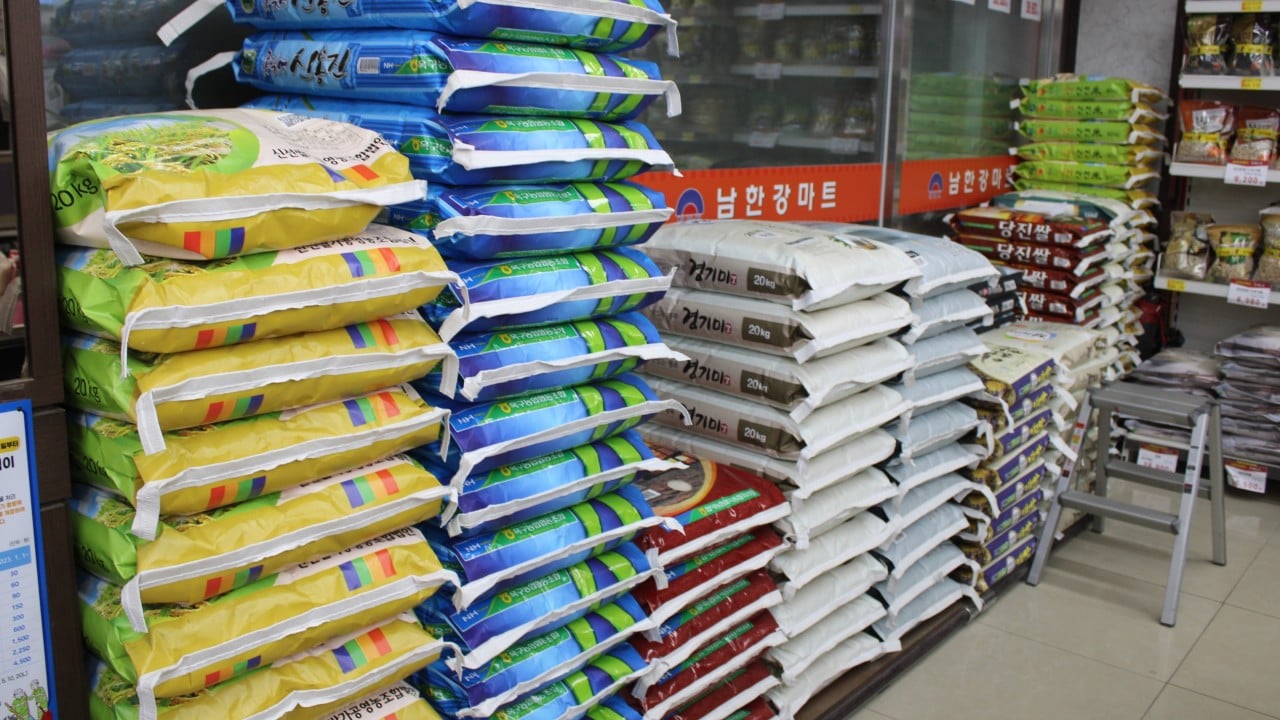
South Korean consumers are turning to warehouse stores such as Costco to manage higher grocery bills, with some households making bulk purchasing a regular routine. Kim Eun-young, a Seoul resident, says she changes from nearby supermarkets to warehouse shopping after food and household prices rise. She reports that buying larger quantities costs more in total per trip but works out cheaper for the same amount, and she divides food into meal-sized portions for storage.
Multiple outlets cite market-tracking data showing strong demand. Korea Times and the South China Morning Post both point to September spending reaching record levels when combining estimated card payments at Costco and Emart Traders. The figures are based on card transaction samples tracked by WiseApp Retail and are estimates rather than the retailers’ full reported revenue, because they exclude cash and bank transfers.
While the reporting focuses on consumer coping strategies, the underlying angle differs slightly: one emphasizes individual household decision-making, and the other highlights the broader spending trend indicated by consumer-payment data.