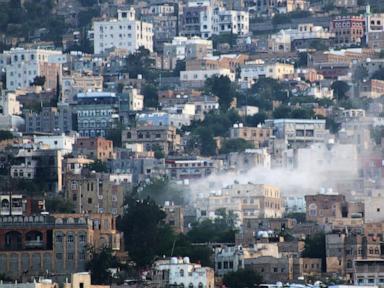
Water supplies dwindle in Taiz, a major city in southwestern Yemen, as Houthi forces backed by Iran tighten their encirclement. Multiple outlets report that the situation worsens in recent weeks, turning an already long-running water problem into a crisis.
Across coverage, reporters describe how access to key water sources is constrained, leaving residents with limited ability to draw from wells, rely on water deliveries, or keep treatment operations running. The South China Morning Post adds detail on humanitarian accounts: more than a million residents struggle to meet basic needs as wells are harder to reach, desalination plants face fuel shortages, and water trucks are largely prevented from entering the city.
Other outlets—including ABC News, NPR, The Independent, and the Winnipeg Free Press—focus primarily on the same core facts: Taiz’s severe water shortage, the role of the Houthi siege, and the recent escalation in pressure around the city. While they vary slightly in emphasis, all frame the development as part of the broader conflict and its impact on civilians’ access to drinking water.