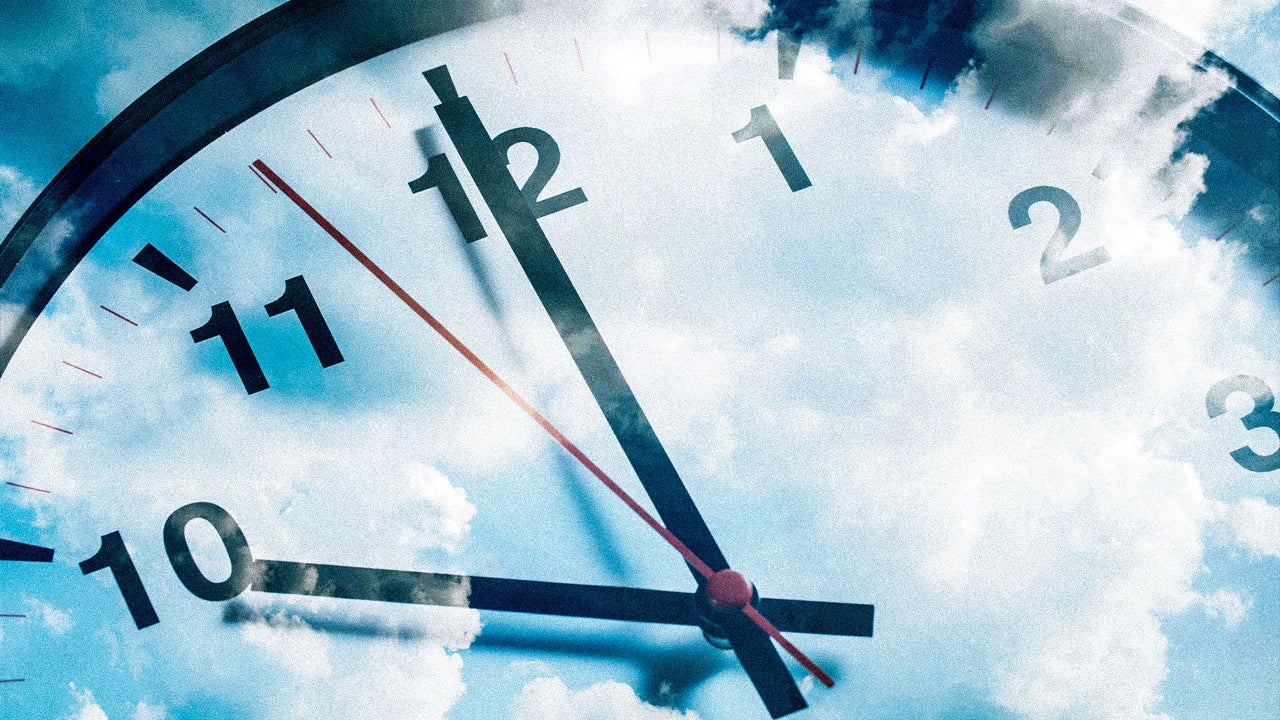
Daylight saving time ends in most of the United States in the early hours of Sunday, Nov. 1, when clocks “fall back” from 2 a.m. to 1 a.m. As a result, many Americans get an extra hour of sleep, but the change also brings darker afternoons as the nation shifts to standard time.
Several outlets focus on practical effects and adjustments. They note that the time shift can still disrupt sleep for days, even with the added hour, and suggest keeping a steady sleep schedule. Multiple sources recommend getting outside in the morning for sunlight to help the body clock reset.
Beyond day-to-day impacts, coverage also touches on the policy debate. Fast Company reports that President Donald Trump has said he wants to end the current version of daylight saving time and that the House passed the “Sunshine Protection Act,” while it remains unclear whether the Senate will approve changes.
Overall, the outlets largely agree on the timing of the clock change and the main trade-offs: extra sleep versus potential short-term sleep disruption and reduced afternoon daylight.