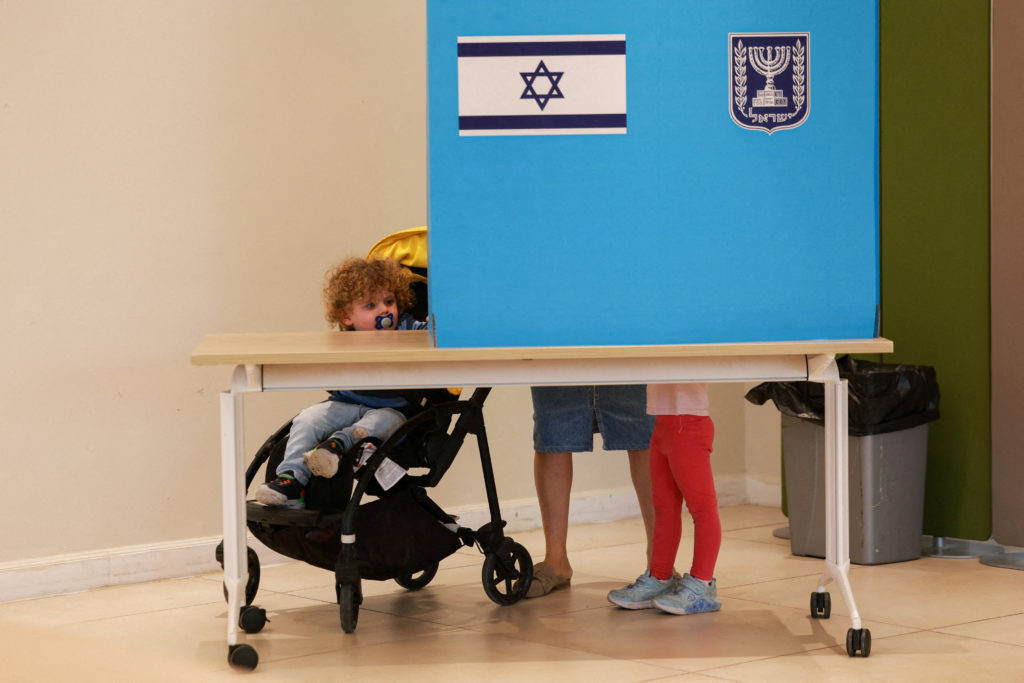
Israel’s election does not immediately determine who becomes prime minister, with outlets warning that it could take weeks or even months to know the winner. The delay is linked to the time needed to assemble political coalitions after polls close, meaning the person who can form a government is not confirmed right away.
Several reports explain that a tight contest is unfolding between Benjamin Netanyahu’s camp and an opposing coalition led by retired General Gadi Eisenkot. While some outlets focus on the procedural uncertainty after voting—highlighting coalition-building as the deciding factor—others emphasize the closeness of the race and the possibility that negotiations could extend the timeline for final results.
Across coverage, the common theme is that the election outcome is likely to require extended counting and political talks before a prime minister is formally declared. The main differences are how strongly each outlet foregrounds the coalition process versus the competitiveness of the vote, but none of the titles suggest a different core storyline or contradict the broader expectation of a prolonged wait.