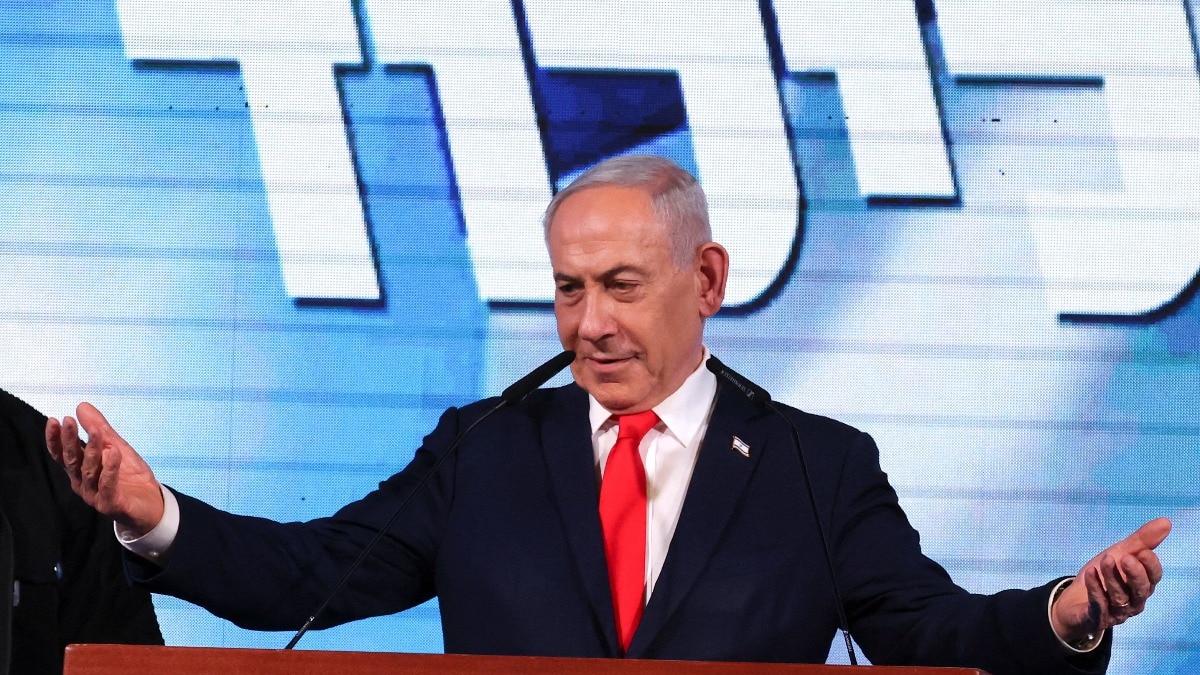
Israel’s election is positioned as a major test for Prime Minister Benjamin Netanyahu, with the former army chief Gadi Eisenkot emerging as a prominent challenger. Multiple outlets describe Eisenkot’s rise as tied to shifts in Israeli politics after the Hamas-led attacks of 7 October 2023 and to ongoing security and domestic policy controversies.
Coverage places Eisenkot at the centre of an expanding opposition bloc that draws together parties across the political spectrum. Middle East Eye describes him as leading a broad coalition spanning right-wing, centrist, left-wing Jewish and Palestinian parties, and says polls indicate he may have the strongest chance to end Netanyahu’s long time in power. The Economic Times and Egypt Independent similarly frame Eisenkot as moving from army leadership into politics and as gaining ground against Netanyahu, though with less detail provided in the supplied summaries.
The Independent adds personal context, highlighting that Eisenkot lost a son in Gaza and presenting that experience as part of why he has become Netanyahu’s biggest threat. Across the accounts, the core shared theme is Eisenkot’s elevated role in a potentially tighter race over government formation.