


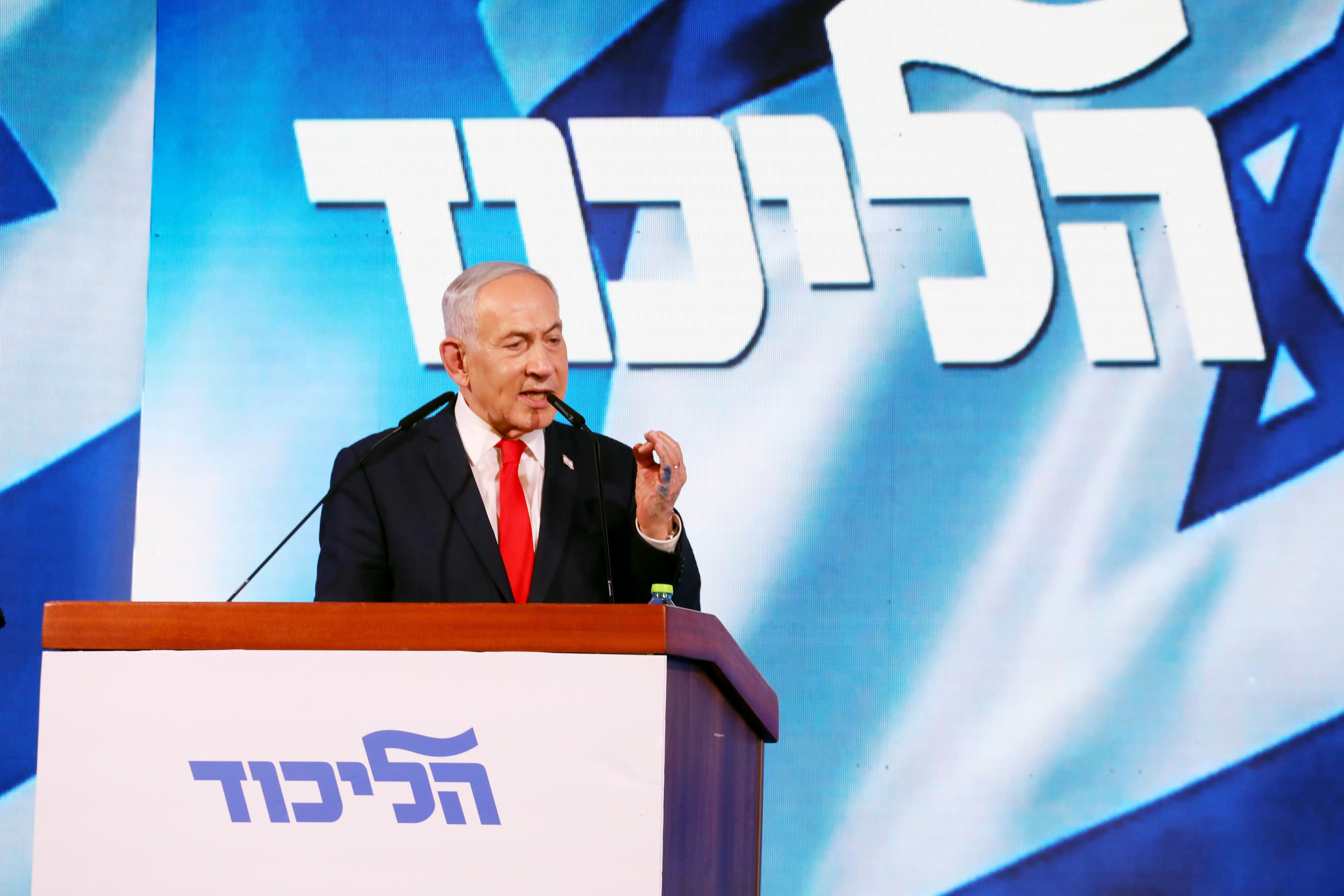
Israel’s general election ends in deadlock, with no faction securing enough seats to form a government as coalition talks begin. With the Knesset deciding next steps, outlets say the immediate focus shifts to who can assemble a majority—or whether the country moves toward a minority government or renewed elections.
Across coverage, the implications extend beyond Israel’s domestic politics. One report highlights the likelihood that Arab-led parties could become kingmakers, with bloc totals discussed as potential leverage in coalition negotiations. The same source links the stalemate to the trajectory of Israel’s multi-front conflict involving Iran and regional proxy networks, as coalition partners influence security priorities.
A separate outlet frames the consequences through Israel’s external relationships, particularly for India and the Gaza context. It argues that India’s ties with Israel will be tested not by the identity of Israel’s prime minister but by how both countries manage a volatile neighbourhood. Overall, the differing angles focus on either regional-security outcomes or the continuity and strain on key partnerships.


