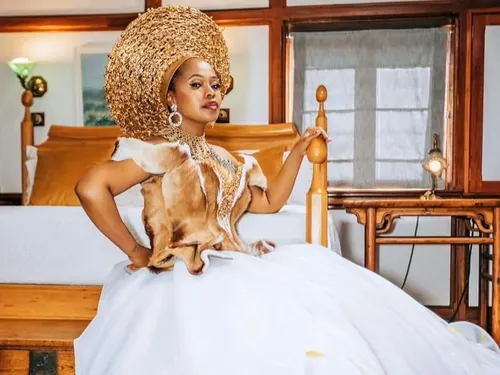
A Zimbabwean designer, Nkanyeziyethu Malunga, creates fashion in Bulawayo by using materials sourced from the local environment, including plants and tree bark, and translating them into colour and fabric. Outlets describe her process as more than choosing colours or patterns: the materials themselves reflect how they were gathered, prepared and transformed, and that information is built into the resulting designs.
Context across the coverage is broader than one workshop. One outlet frames Malunga’s work within a wider trend among African designers who draw on earlier or “ancient” practices and local knowledge to develop contemporary fashion. That framing also challenges the idea that innovation must rely on industrial materials or imported trends. Differences in emphasis are mainly about scope: one account focuses on Malunga’s workshop methods in detail, while another uses the work as an example of a continental movement toward alternative design approaches.
ARTICLE 3 appears to carry the same core report as ARTICLE 1, including the Bulawayo workshop description and the materials-to-fabric process.