Scientists analysing DNA from a woman who lived about 30,000 years ago in southwestern France report evidence of links between eastern and western European populations. The work, led by the University of Vienna, challenges earlier views that Ice Age groups were largely isolated and instead indicates movement or shared ancestry across regions.
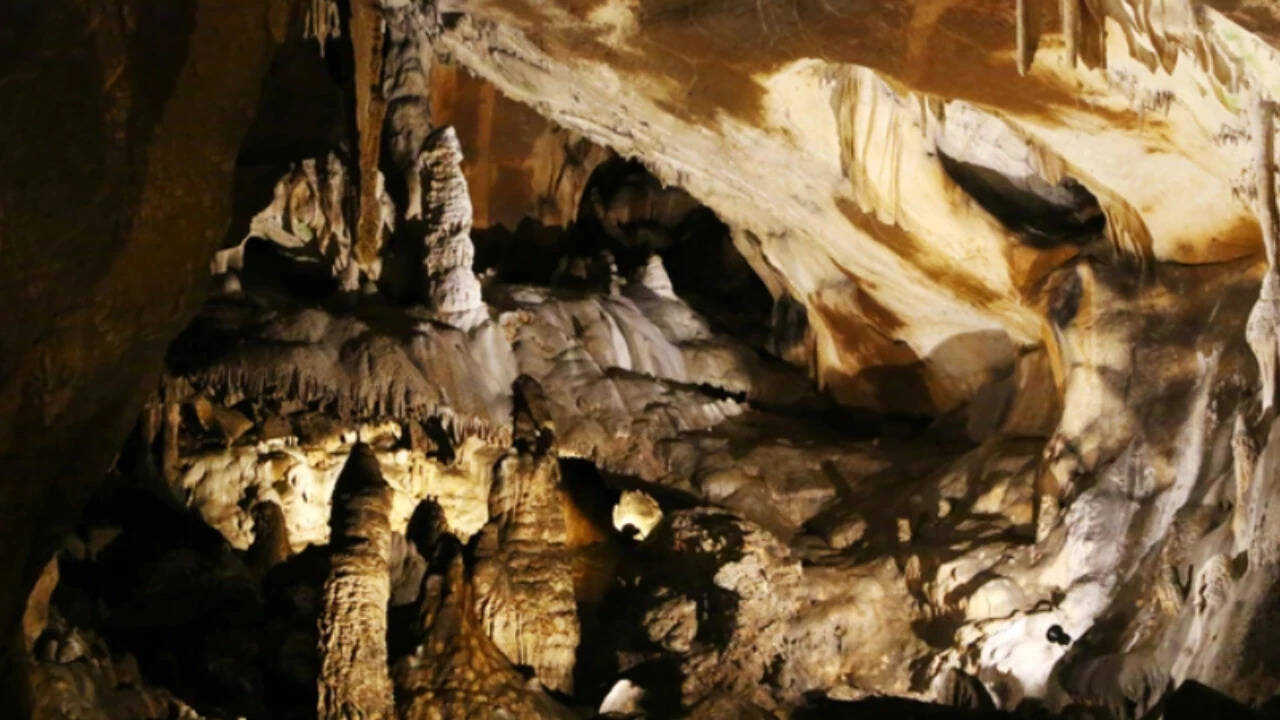
Additional ancient DNA recovered from cave sediments in Spain is described as showing long-term population continuity and connections across Europe. While the outlets broadly agree on the finding of greater prehistoric connectivity, they differ in emphasis: one highlights the French burial and the study’s implications for assumptions about isolation, while the other focuses on the broader picture of far-reaching networks, migration, and endurance during the harshest Ice Age conditions.