


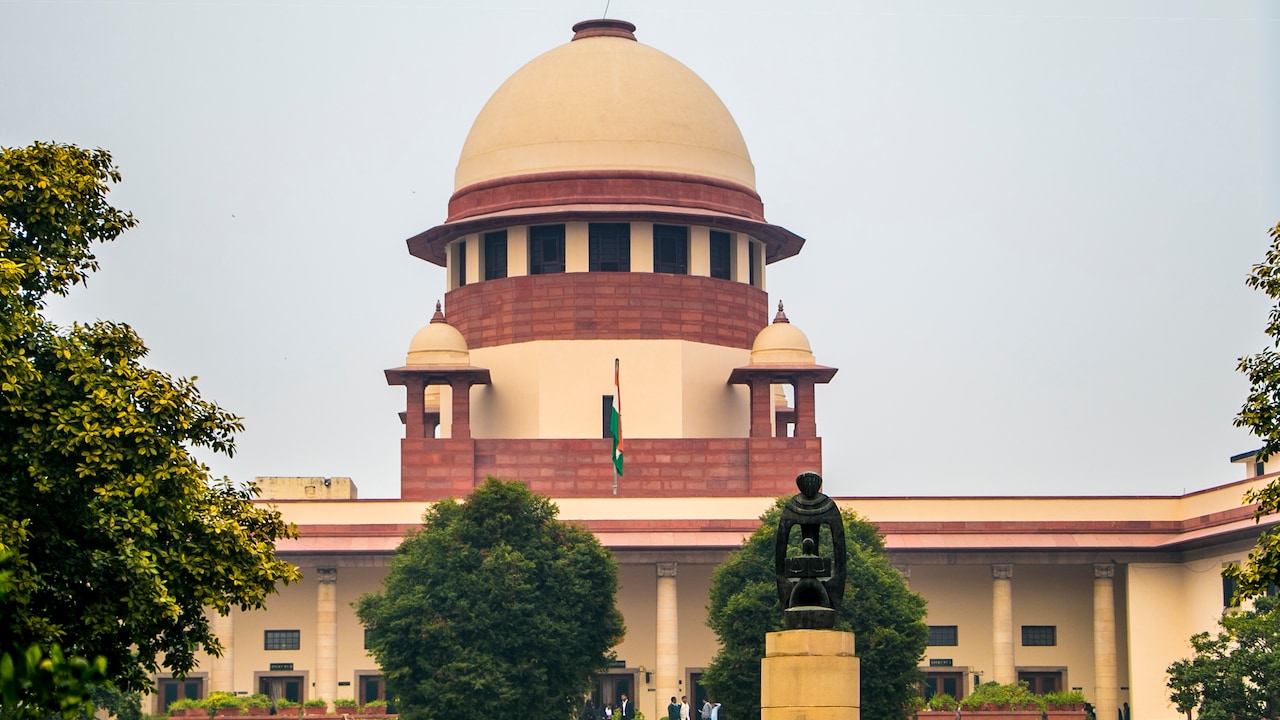
The Supreme Court raises questions about the two-child norm for certain public benefits as India’s fertility rate drops below replacement levels, warning that demographic change could follow. The court’s focus is on the longer-term population implications rather than only the policy’s immediate enforcement.
Supreme Court questions two-child norm as India’s fertility rate falls
Key Points
- The Supreme Court questions the two-child norm in light of changing demographic trends.
- Outlets report the court links the issue to India’s declining fertility rate.
- They note that fertility below the replacement level can affect long-term demographics.
- One report states India’s total fertility rate has fallen from about 3 to around 1.9.
- Another source explains that the replacement rate is about 2.1 for one generation to replace itself.
2 sources
2 weeks ago
2 views
This summary is generated automatically from the reporting of the outlets listed on this page. Follow their links for the full coverage.
How Outlets Covered This Story
NDT
Supreme Court Questions 2-Child Poll Norm As Fertility Rate Drops
NDTV leads with the Supreme Court’s demographic concern, framing the story around what happens when fertility falls below replacement level.
2 weeks ago
THE
Supreme Court judgment questions two-child norm with falling fertility rate
The Hindu foregrounds the fertility-rate numbers and the replacement-rate concept, explaining the court’s demographic logic with more background context.
2 weeks agoRelated Stories

APGA endorses Tinubu for 2027 as Soludo urges Anambra voters at Awka rally
All Progressives Grand Alliance (APGA) formally adopts President Bola Tinubu as its presidential candidate for Nigeria’s...
6 sources
19 hours ago

Tinubu Congratulates Jonathan on 69th Birthday, Praises Unity and Democratic Governance
President Bola Tinubu congratulates former President Goodluck Jonathan on his 69th birthday. Across the coverage, Tinubu...
4 sources
15 hours ago

European leaders in Berlin reaffirm unity and push for Ukraine-led peace talks with Russia
European leaders meet in Berlin to reaffirm support for Ukraine as they seek a pathway to end Russia’s war. German Chanc...
0 sources
14 hours ago