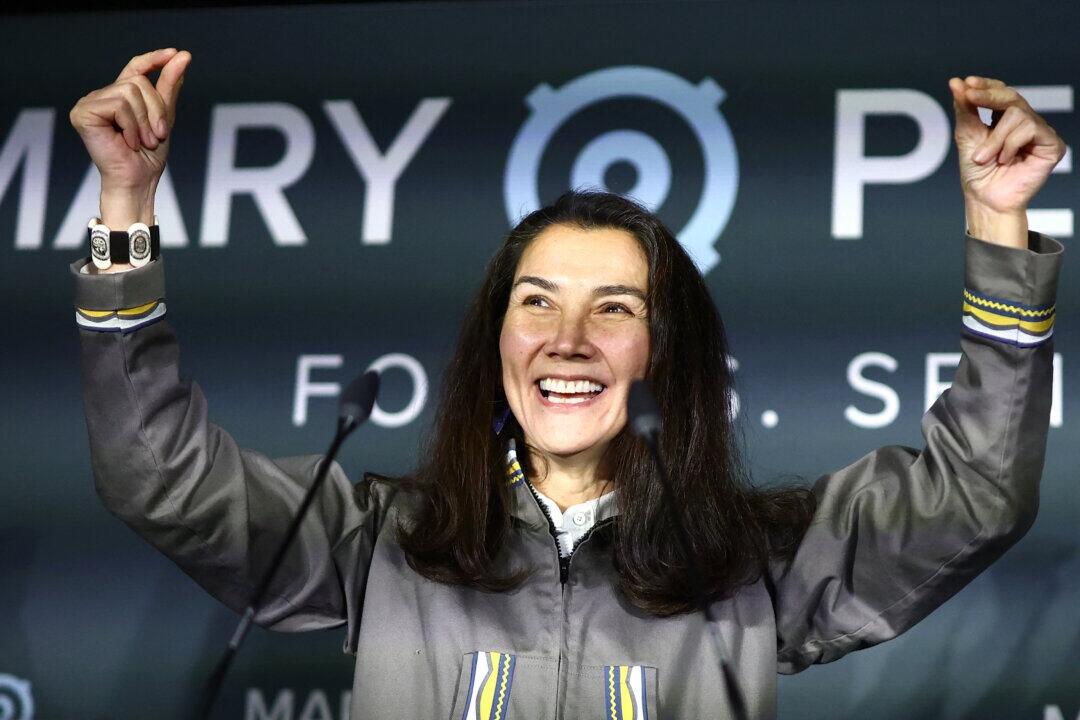
In the 2026 midterms, climate largely stayed out of direct campaign messaging, but the election results leave it positioned as a policy focus again. Several outlets describe how voters and campaigns shifted toward talking about energy costs, utilities, and economic pressures, while climate concerns surfaced more indirectly through these issues. After the vote, attention turns to whether this creates space for renewed green policies.
Fast Company and The Guardian both link the changing climate narrative to affordability and energy prices, including references to datacenter growth and higher utility bills. The Guardian frames this as “green populism,” arguing Democrats successfully connected cost-of-living concerns to climate and energy dynamics and used it to win races. Fast Company adds detail that “climate change” was often deprioritised on campaign sites in key Senate-fight states, and that mentions reportedly fell after 2025, while some candidates still embraced climate or tied it to energy savings. Together, the articles suggest climate may re-enter mainstream politics through the lens of household costs and clean energy investment.