


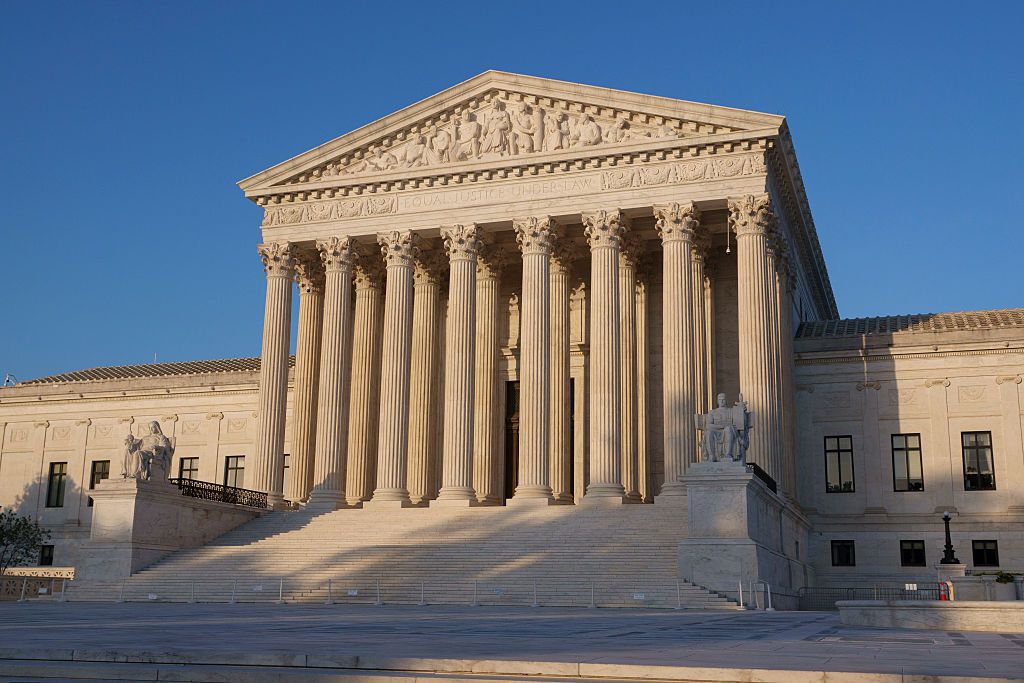
The US Supreme Court agrees to review a bid by Goldman Sachs to require arbitration in a bankruptcy-related dispute, adding the case to its 2026–27 oral argument docket. The question is whether and when a bankruptcy court may refuse to honor an agreement to arbitrate disputes under the Federal Arbitration Act.
The underlying dispute begins after Rhea Brown and Gregory Maze file for bankruptcy and list Goldman Sachs Bank USA among their credit card creditors. Goldman Sachs seeks to continue pursuing the debts, according to the claim that prompts an adversary proceeding inside the bankruptcy case. Brown and Maze argue the bank willfully violated the bankruptcy automatic stay by continuing collection efforts. Goldman Sachs responds by pointing to an arbitration clause in the credit card agreements and asks the bankruptcy court to pause the adversary proceeding and send the dispute to arbitration.
Lower courts—including the bankruptcy court and the district and appellate courts—deny Goldman Sachs’s request, with the 4th Circuit citing potential conflict with Bankruptcy Code policies. Goldman Sachs tells the Supreme Court that the outcome conflicts with a ruling from the 2nd Circuit and argues the issue has broad practical implications because arbitration clauses are common in consumer credit.


