


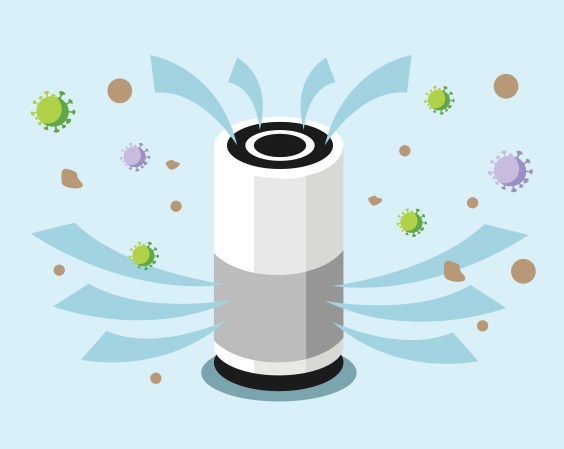
Multiple reports say new research finds that cleaner air in the bedroom—achieved using portable air filters during sleep—may help manage blood-sugar levels in people with prediabetes. The focus is on whether reducing exposure to air pollution at night can influence glucose regulation.
Nautilus frames the finding around the practical idea of a bedroom air filter helping “keep your blood sugar in check,” linking cleaner air to tighter glucose control. Medical Xpress and PR Newswire both emphasize prediabetes specifically, describing how filtration during sleep may stabilize large glucose spikes that are seen in the condition. While the outlets share the same core claim, their framing differs: one highlights the filter as a lifestyle tool, while the others foreground prediabetes and the pattern of blood-sugar spikes.
Overall, the coverage centers on a study’s reported association between reduced nighttime air pollution exposure and improved glucose control signals, without discussing broader clinical implications in the provided summaries.


