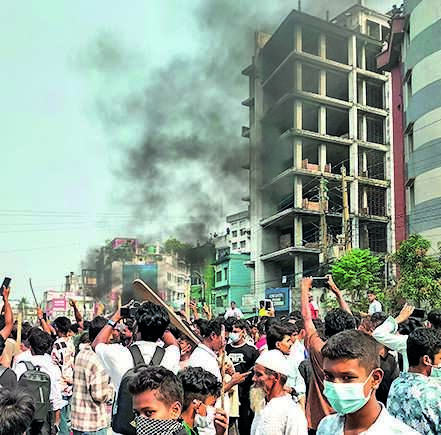
Garment workers in Bangladesh strike and protest over wages, leading to factory shutdowns and clashes with police. Several outlets report disruptions across key industrial areas, with some factories closing indefinitely and others observing short pauses as workers press for better pay.
The wage dispute is set against a backdrop of rising living costs. Multiple reports describe workers struggling to afford essentials such as food and healthcare, with some families reducing meals, skipping medical needs, or cutting other spending even as the garment industry remains central to Bangladesh’s export earnings. Some coverage links the unrest to the economic pressure created by higher prices, arguing that stagnant or insufficient wages are undermining household budgets.
Outlets also differ in emphasis: some focus more on the scale and immediate operational impact on factories and policing, while others foreground workers’ daily hardships. One thread running through the reporting is that a wage board has agreed a revised wage structure timeline, but details of the increase and when it will take effect remain part of the tension as protests continue.