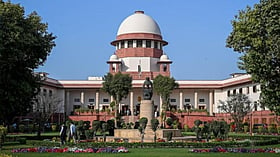
The Supreme Court rules that a divorce granted by a foreign court does not automatically dissolve a marriage solemnised in India. The court says foreign divorce decrees must be recognised under Indian law, including compliance with the conditions for recognition set out in the Code of Civil Procedure.
The judgment also addresses what happens when the foreign divorce relies on grounds not recognised in India. It notes that where the marriage falls under the Hindu Marriage Act, 1955, a divorce obtained abroad solely on “irretrievable breakdown” cannot be treated as valid in India if it is not supported by statutorily recognised grounds. The court highlights the legal risk for people who obtain a foreign divorce and then remarry in India without ensuring that the first marriage has legally ended under Indian law.
In the case discussed, the court refuses to quash proceedings in a bigamy matter, indicating that a foreign decree that does not meet Indian recognition requirements will not protect against criminal consequences. Outlets frame the decision through this lens: Times of India emphasises the practical impact for Indians seeking divorce overseas and potentially remarrying, while Free Press Journal additionally details the bench’s reasoning and the procedural context of the bigamy plea.