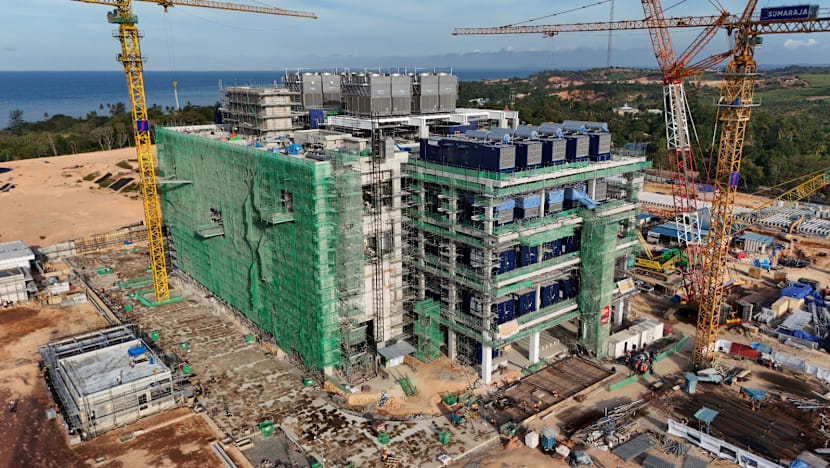
The United States tightens exports of advanced AI chips to Indonesia, Singapore, Malaysia, Thailand and Brazil, prompting governments and analysts in Southeast Asia to assess potential business and operational impacts. The US says the measures aim to reduce the risk that chips from these jurisdictions could be diverted to China.
Singapore’s leaders say they expect some effect, particularly for chip transshipment volumes through the city-state, and that impacts can be managed. Several outlets report that Singapore engages US counterparts to clarify how the new rules work and to support compliant trade, while also seeking to preserve its position as a trusted hub for AI-related activity.
Across coverage, attention also turns to broader regional positioning. US officials and media accounts frame the restrictions as part of a wider effort to keep sensitive technology out of “wrong hands,” while Singapore’s balancing with both American access and ongoing commercial engagement with China is described as a growing “balancing act.” Some reports emphasize Singapore’s outreach and compliance coordination; others focus more on regional implications for ASEAN’s access to cutting-edge AI infrastructure.