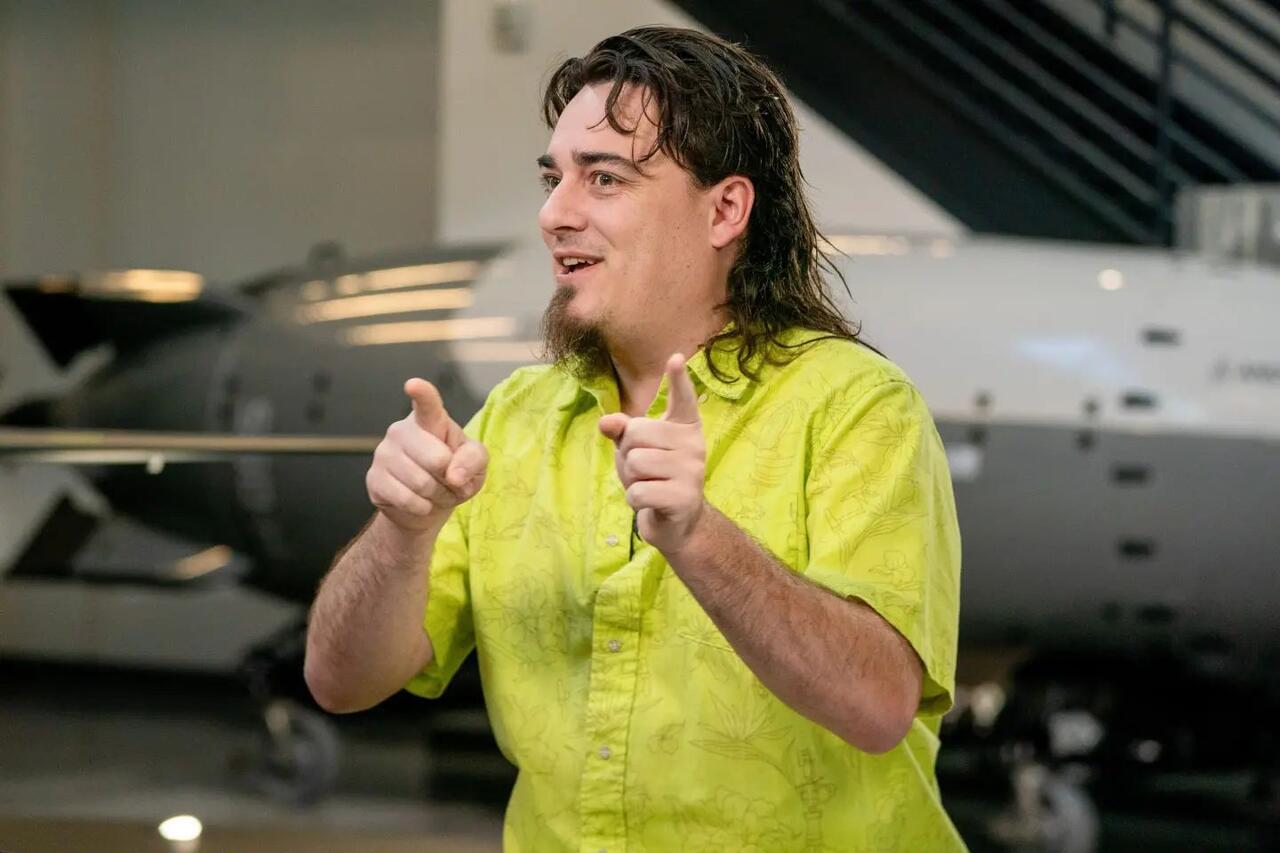
Palmer Luckey, cofounder of Anduril and a former Oculus executive, says he has spent years developing a seastead project called “SLAB.” He describes it as having a long “1,000 year” design life and as an offshore base intended to be cheaper than land and to avoid state and local rules he says hinder manufacturing and medical work.
Luckey says the project traces back to after he sold Oculus to Facebook in 2014 and that he and close friends “cashed it up” at a roughly $1 billion valuation in 2017. He lists industries SLAB could support, including metal processing, medical research and treatment, desalination, oil refining, and chemical engineering. He also says he went public because some outlets were reportedly preparing to break the story and that earlier talk about a “floating AI datacenter” is not what he portrays as the central concept.
Across outlets, coverage largely aligns on SLAB’s purpose as an industrial offshore haven and on Luckey’s claims about duration, valuation, and his list of targeted sectors. Differences mainly involve emphasis—whether SLAB is framed as lawless or regulatory-escaping, whether medical treatment is highlighted more directly, and how strongly the “AI datacenter” comparison is addressed.