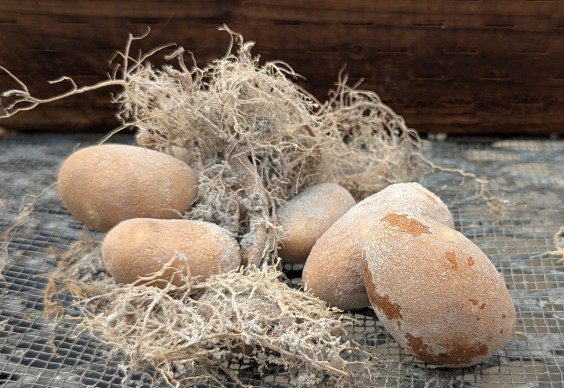
Researchers report that potatoes can grow in simulated lunar soil when the regolith simulant is supplemented with organic matter, reaching growth and yields comparable to those grown on Earth. Multiple outlets say the findings also indicate the resulting potatoes are safe to eat, addressing a key concern about using lunar-grown produce for future missions.
The work, led by Aymeric Goyer of Oregon State University and supported by NASA funding, is presented as a step toward more reliable food production for long-term human presence on the Moon. Several summaries describe the study as showing that potato plants can complete their life cycle in lunar-like conditions with organic supplementation. Coverage links the research to the broader goal of reducing dependence on costly resupply from Earth.
Outlets largely agree on the core results—successful cultivation in simulated lunar soil, comparable performance to Earth crops, and safety of consumption—while differing mainly in emphasis, such as whether the focus is on near-term realism, food-security implications for a moon base, or framing the findings as support for Artemis-related objectives.