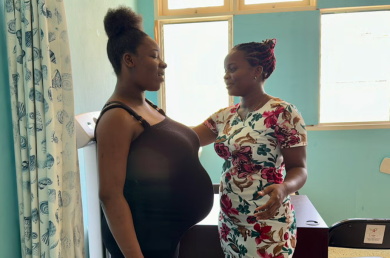
Across parts of Africa, babies born with cleft lip or cleft palate often face stigma and misinformation rather than timely medical care. Some families are told the condition is “cursed,” and in some cases mothers face forced displacement from their homes. The reported argument is that these outcomes reflect a lack of planned, safe surgical pathways.
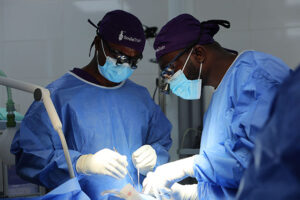
Both outlets frame the issue as one of access and early intervention. They state that cleft conditions are among the most common and treatable in medicine, and that surgery carried out early can help children eat, develop speech, and grow with improved life prospects. The emphasis is less on a specific policy announcement or event and more on the broader “future of surgery” and how communities can shift from fear toward structured care.
Overall, the coverage aligns in its central message: stigma and delayed treatment are preventable harms, and safer, earlier surgery can change outcomes for affected children and families.