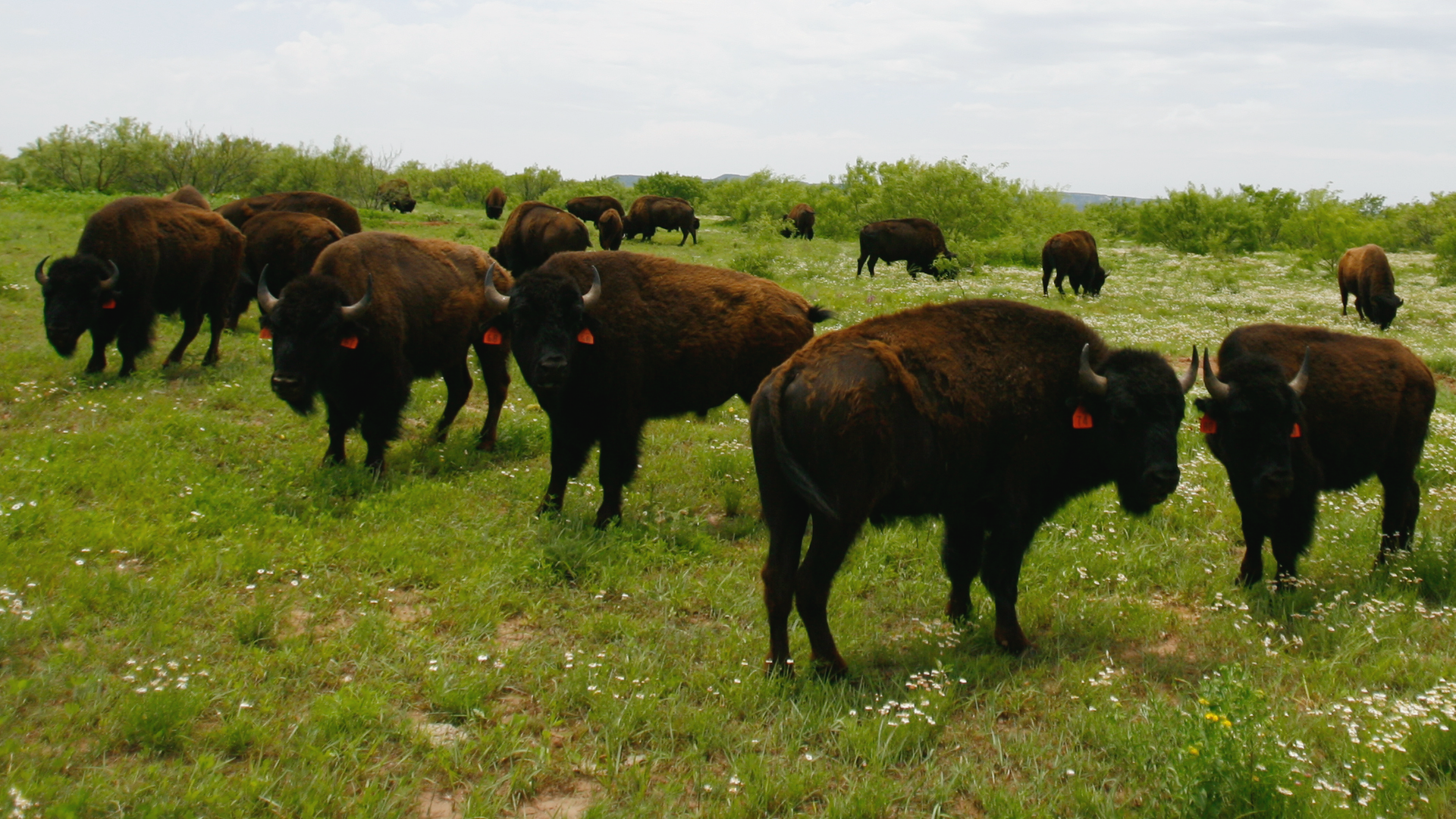
Archaeologists report evidence of Indigenous “bison jump” hunting in Texas, including hundreds of bison bones alongside stone tools and arrowheads at a cliff site. The findings, dated to roughly 3,000 years ago, suggest Native American communities used the steep terrain to drive bison off cliffs as part of their hunting practices.
The research also addresses a debate in archaeology. For decades, scholars questioned whether such cliff-driven bison hunting occurred in the Southern Plains, where similar techniques were better documented farther north. By identifying a site in Texas consistent with this hunting strategy, the study challenges earlier assumptions about how widely and where bison jumps were used across the region.
Across the two reports, Live Science and Phys.org both emphasize the importance of the Texas cliff assemblage—bones plus associated human artifacts—as the basis for linking the site to bison-jump hunting, while Phys.org highlights the way the evidence reshapes prior thinking about the distribution of the practice.