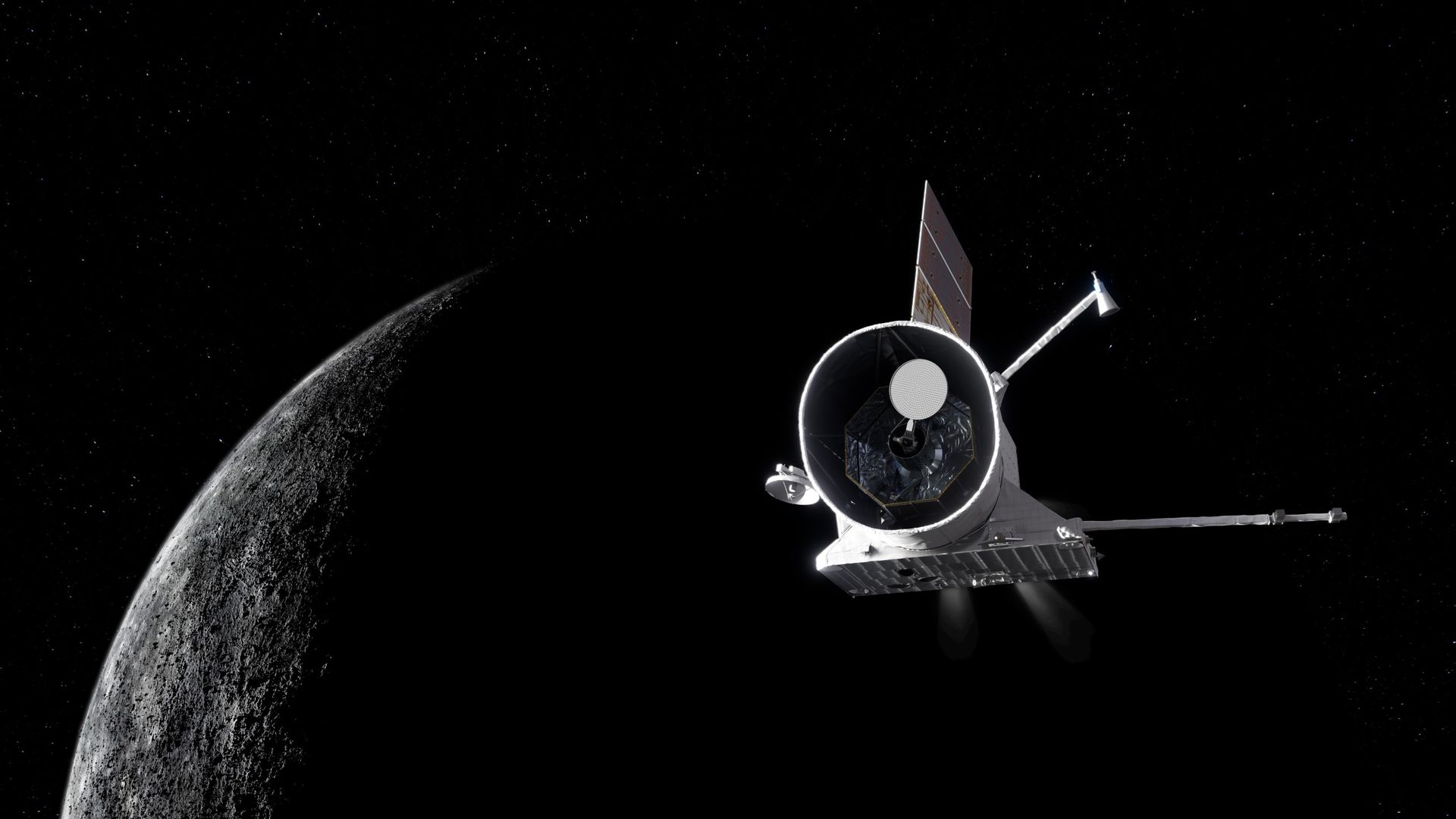
A British-built X-ray telescope instrument on the European-Japanese BepiColombo mission to Mercury captures its first astronomical X-ray images after an eight-year flight. The Mercury Imaging X-ray Spectrometer (MIXS) produces its initial views of the Crab Nebula, a well-studied X-ray source, following the separation of the spacecraft’s Mercury Transfer Module and the release of the two science orbiters.
Across outlets, the emphasis is on what these first observations show about instrument performance rather than new scientific results about Mercury. The team, led by the University of Leicester, uses the Crab Nebula to compare in-space measurements with earlier laboratory calibration from 2015, assessing how the telescope’s image spreads across its detector. Reported observing activity includes a sequence of many spacecraft slews and two days of observations in September, which scientists use to estimate angular resolution.
While ScienceDaily frames the breakthrough as potentially helping reveal Mercury’s chemical composition and origins, other coverage focuses on the technical significance of the images and calibration ahead of Mercury orbit insertion.