The US government issues and enforces sanctions against people and organisations linked to the International Criminal Court (ICC), drawing legal challenges and prompting calls for changes. Human Rights Watch says the ICC’s annual Assembly of States Parties faces pressure from the US and urges member states to protect the court’s independence and those cooperating with it.
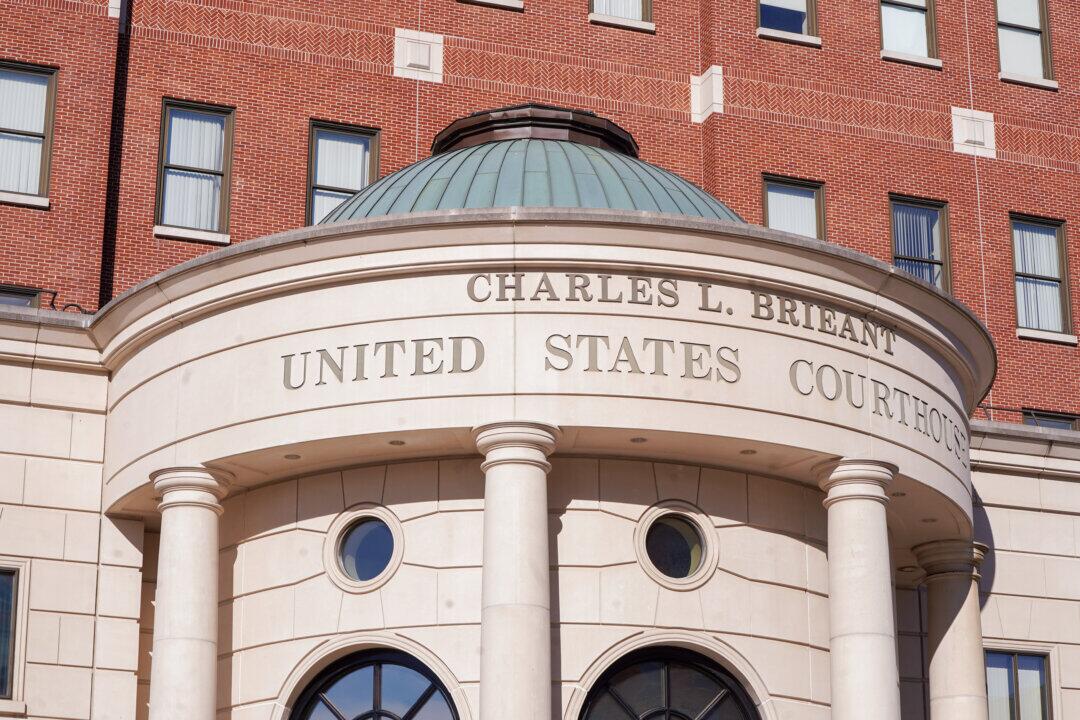
Several developments in US federal court follow the executive order. A judge refuses to halt enforcement against sanctioned ICC judges, while another court decision permanently blocks the Trump administration from punishing rights groups that liaise with the ICC, extending the protection beyond the original plaintiffs. Separately, coverage describes an ICC judge, Kimberly Prost, urging the UK to address frozen payments tied to US sanctions and describing practical impacts.
Other reporting focuses on ICC governance pressures ahead of the Assembly session. Middle East Eye reports that Guatemala circulated a proposal to curb ICC powers in ways that align with US and Israeli demands, and that some G7 allies were prepared to discuss it but were reluctant to do so publicly. Across outlets, the central theme is the legal and diplomatic dispute over how far the US can limit cooperation with the ICC while the court continues activity.