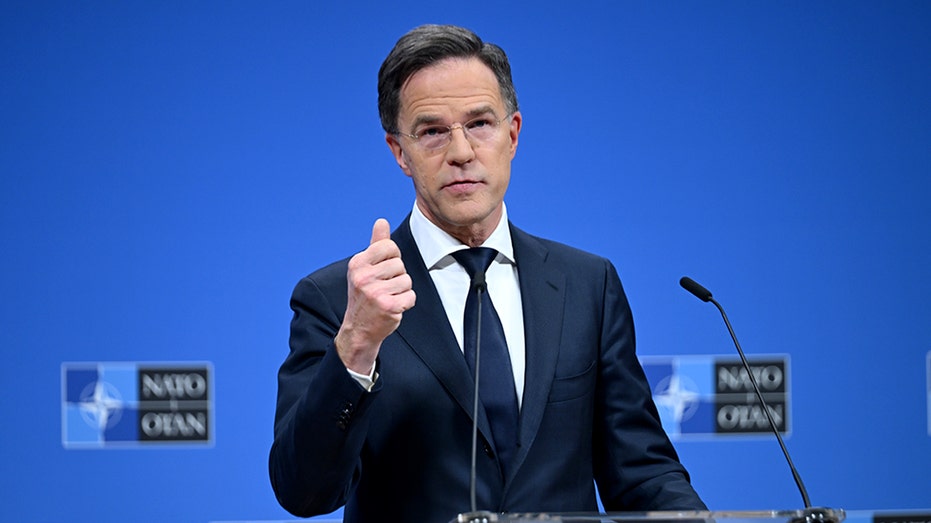
NATO Secretary-General Mark Rutte warns that Russia’s military readiness could allow it to strike parts of Europe before allies complete decisions about how to respond, including during any debate over creating a separate European army. He says Russia’s “war machine” is running at full speed and could threaten Europe for the longer term after the war in Ukraine ends.
Rutte frames the issue around command and coordination: he argues that a European structure alongside national forces and NATO could slow response times if allies are still agreeing on roles. Kyiv Post adds that Zelensky says Ukraine still lacks concrete answers on Article 5-type security guarantees.
Across outlets, the emphasis differs between broad warning about Russia’s sustained threat and the specific scenario Rutte raises—suggesting President Vladimir Putin could reach Rotterdam before allies decide who does what. Each account centres on Rutte’s argument that faster, clearer coordination matters for deterrence and crisis response.