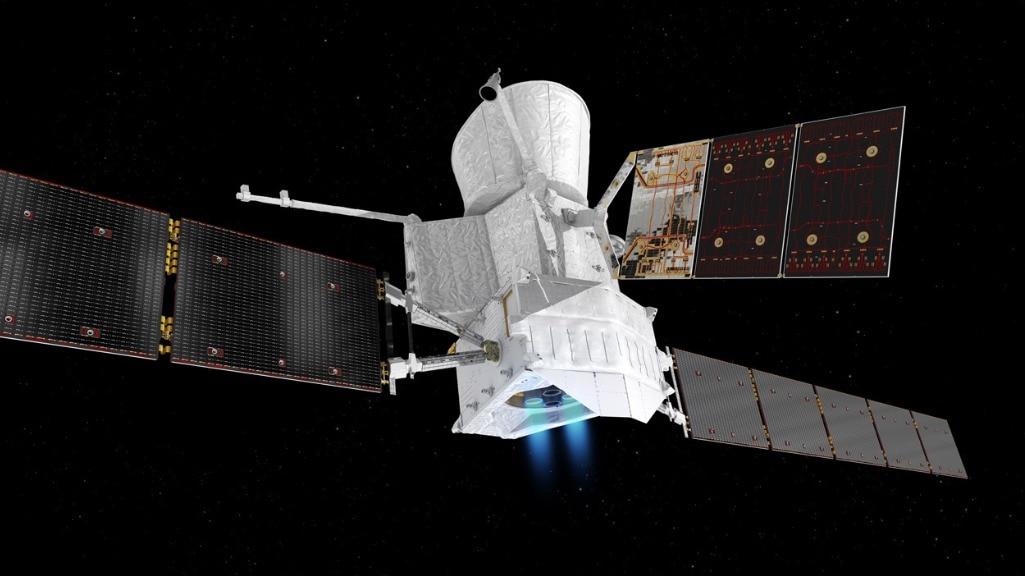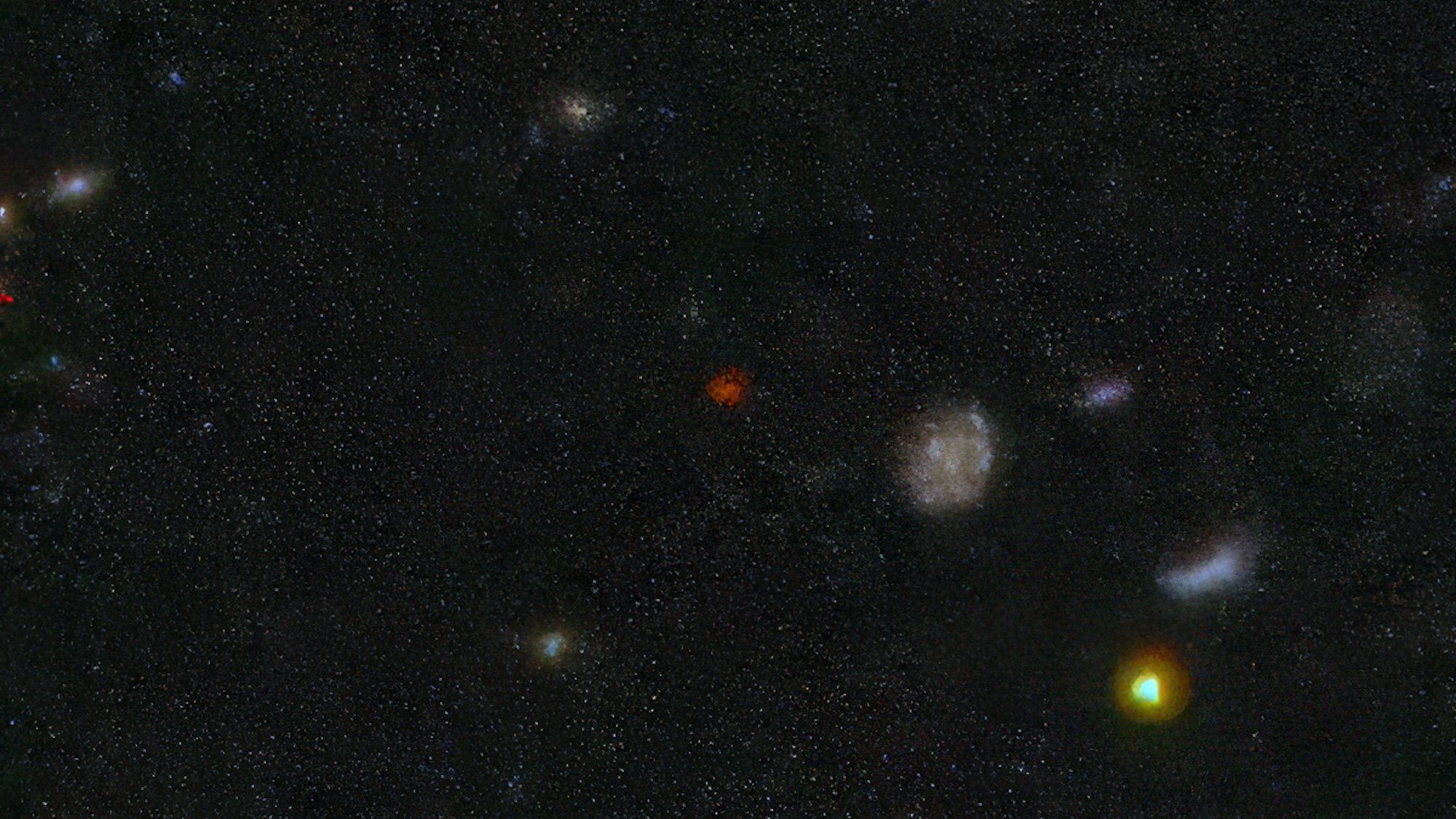
Scientists using the Euclid space telescope discover the most distant quasar yet, setting a new record for how early such objects existed. The quasar formed about 630 million years after the Big Bang, a time considered close to the universe’s beginnings. Coverage describes the object as the luminous core of a galaxy powered by gas falling into a supermassive black hole.
Different outlets emphasize different implications. Popular Science focuses on the record-setting nature of the finding, noting Euclid surpasses a previous benchmark it had already established. Inquirer.net frames the discovery as “smashing” earlier limits on quasar age and highlights the German-led team’s report. Phys.org focuses on the scientific follow-on, saying the new record helps tighten constraints on scenarios for how black holes formed and grew so quickly.
Across sources, the core points align: the quasar is newly detected in Euclid data, later confirmed with additional observations, and is used to improve understanding of early black hole formation in the young universe.