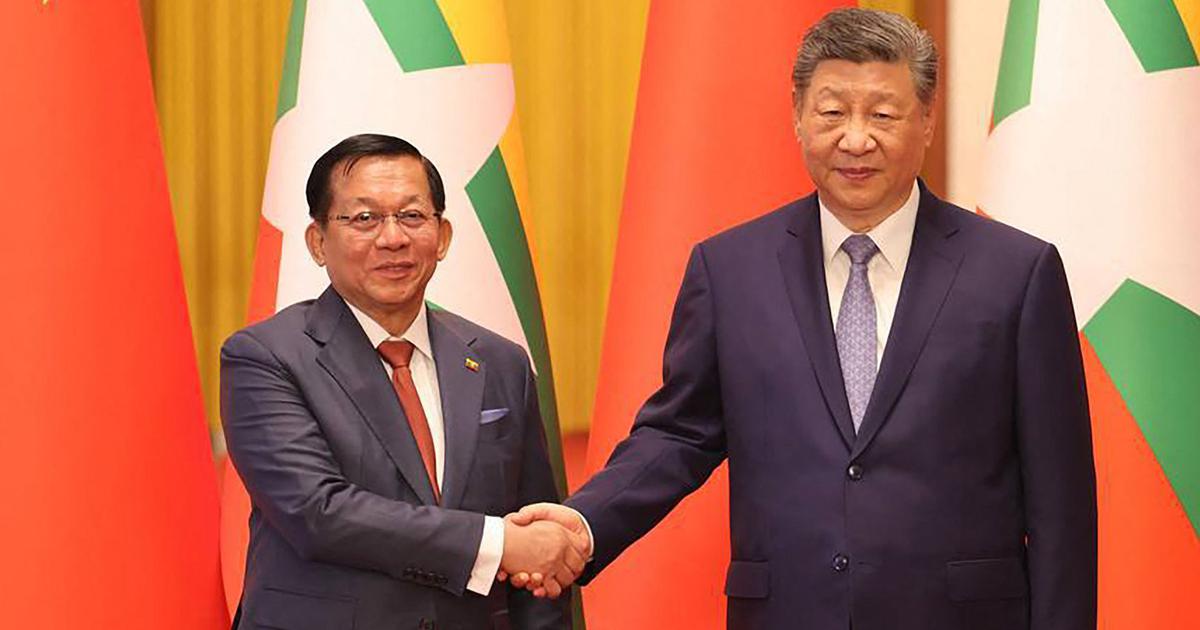
The International Court of Justice (ICJ) rules that Myanmar committed genocide against its Rohingya Muslim minority in 2017, creating a diplomatic challenge for China. The story is framed around how Beijing responds when the court’s findings intersect with its ties to Myanmar.
Across the coverage, China’s role is presented as central because it is described as a close strategic partner of Myanmar and as having substantial economic interests in Rakhine state, where the atrocities occurred. Outlets differ mainly in emphasis: some focus on the moral and policy implications of the ruling for China’s stance internationally, while others highlight the tension between China’s preference for non-interference and its obligations under international law.
The underlying context in all accounts is that Beijing must weigh its longstanding relationship with Myanmar—strategic and economic—against the ICJ decision’s legal weight. Coverage largely agrees on the core elements: the nature of the ICJ ruling, the Rohingya case, and China’s consequential incentives.