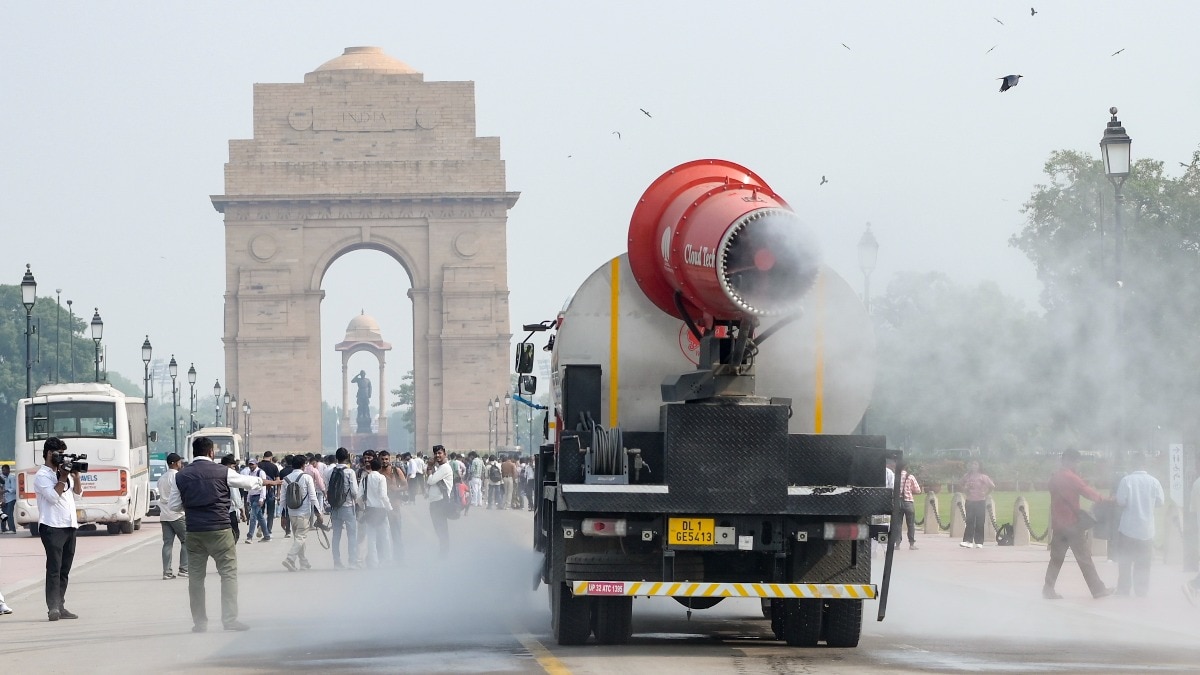
Delhi’s air quality in late November stays consistently unhealthy, with multiple neighbourhood and citywide readings crossing into hazardous or severe categories. Several reports track day-to-day AQI fluctuations, including periods when levels rise sharply after midnight and later settle but remain poor or risky for health. Mint and NDTV both describe stretches of persistent bad air over consecutive days.
Context across outlets focuses on severity and health implications. Mint reports specific neighbourhood data and identifies major contributors to PM2.5, including vehicular emissions and biomass burning. NDTV emphasizes how long conditions remain in the “poor” range, citing a 12-day streak, while other outlets highlight the lowest November AQI in years alongside continued “poor air days.” Overall, the reporting agrees on sustained deterioration during the period, even as the exact AQI numbers vary by date and time.
Coverage differences show some outlets foreground month-long comparisons and duration, while others focus on latest readings and pollutant sources. The figures align on the direction of persistent air pollution, though specific AQI levels and categories differ depending on the reported timestamp and neighbourhood.