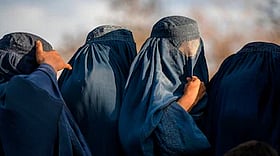
Italy’s parliament gives final approval to a new school decree banning face-covering garments such as the burqa and niqab during school activities, including in classrooms and at parent meetings, while allowing the hijab. The legislation also limits students of foreign origin to 30% in first-year classrooms and provides for Italian-language support for foreign families. Exemptions are included for specific medical reasons and certain circumstances related to teaching or educational activities.
The decree is presented as part of Prime Minister Giorgia Meloni’s agenda, with the government arguing the rules improve security and school integration and support gender equality. Opposition parties criticize the package as discriminatory. Some outlets also specify that violations can lead to administrative fines, with penalties handled by the prefect after reports from school headteachers, and that parents may be held responsible when minors are involved.
Across outlets, the main points are consistent: the ban targets full-face covering in schools, and the policy includes a 30% cap for foreign students in first-year classes, along with integration measures. Coverage differs mainly in how much procedural detail and penalty information each outlet includes.