
A medical school accreditation board is considering changes that would remove requirements for medical students to learn about patients’ lived experiences and how factors such as income, neighborhood, and culture can influence health and medical decision-making. The proposal would alter existing curricular expectations that these areas be addressed during training. Proponents of maintaining the current approach argue that understanding patients’ day-to-day circumstances and social context supports high-quality care by helping future doctors interpret symptoms, communicate effectively, and consider barriers to treatment. Critics of removing such requirements contend the change could leave students with less formal preparation for working with diverse patient populations and navigating disparities that affect health outcomes. Live Science reports that the board’s action is being considered as part of its accreditation standards and related expectations for what medical schools must teach. The reporting centers on the potential shift in training emphasis and what that could mean for future physician competence in patient-centered care. The final decision and any timeline for implementation depend on the board’s process and outcomes.
Medical school accreditation board considers removing training on patients’ lived experiences
A medical school accreditation board is considering changes that would remove requirements for medical students to learn about patients’ lived experiences and how factors such as income, neighborhood,...
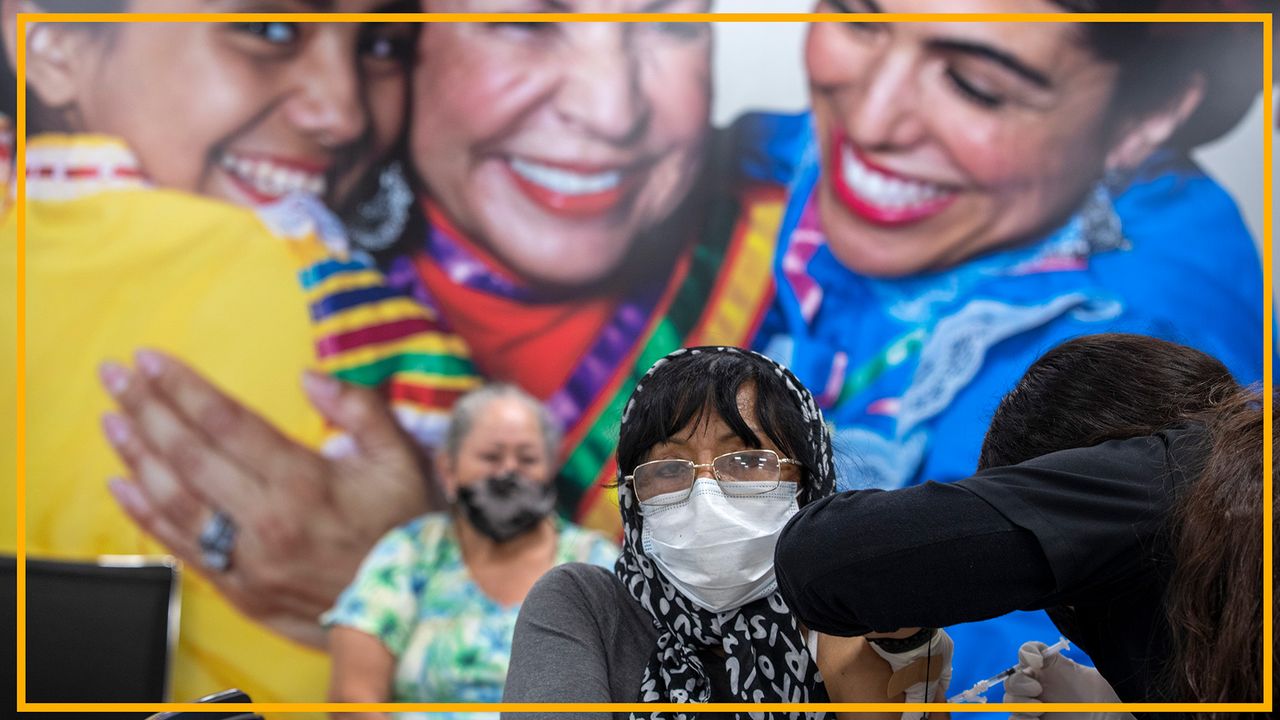
- An accrediting board is considering changes to medical school accreditation requirements related to patients’ lived experiences.
- The proposal would remove or reduce requirements for learning how factors like income, neighborhood, and culture can affect care.
- Some supporters say the current training is important for high-quality, patient-centered treatment.
- The change could reduce medical students’ formal preparation for addressing disparities and patient-specific barriers.
- Live Science reports the issue is under consideration, with final standards not yet confirmed.
The board that accredits medical schools is poised to take away requirements that doctors learn about factors, such as income, neighborhood, and culture, that can affect medical treatment approaches. These requirements are necessary to ensure the highest quality of care.
15 hours agoThe board that accredits medical schools is poised to take away requirements that doctors learn about factors, such as income, neighborhood, and culture, that can affect medical treatment approaches. These requirements are necessary to ensure the highest quality of care.
1 day ago
Law Firms Issue Deadlines for Lead Plaintiffs in Phreesia (PHR) Securities Fraud Lawsuit
Multiple law firms are publicizing a securities class action involving Phreesia, Inc. (NYSE: PHR). The notices say the l...

Missing Victorian hiker Samuel Whitsed vanishes on WA’s Bibbulmun Track
Police and search efforts continue regarding the disappearance of Samuel Robert Whitsed, a 27-year-old hiker who was las...

WHO and Africa CDC launch US$518 million joint Ebola preparedness and response plan
The World Health Organization (WHO) and the Africa Centres for Disease Control and Prevention (Africa CDC) have launched...