
Multiple reports highlight the view that the U.S. Treasury market is signaling interest rates need to be higher. The Bloomberg articles focus on the scale of the Treasury market—described as roughly $31 trillion—and interpret recent price and yield movements as reflecting investor expectations that policy rates have not yet reached a sufficiently restrictive level. The argument is reinforced by recent labor-market data: the latest job-growth figures come in above forecasts, which supports the case for tighter financial conditions to help curb inflation pressures. Analysts featured in the coverage also connect the outlook to concerns about the broader economic cycle, including the possibility that strong demand tied to new technology could contribute to overheating risks. Overall, the coverage does not present a single policy prescription from the Fed, but it emphasizes a consistent message drawn from the Treasury market: rates likely need to move higher and remain restrictive for longer to control inflation and reduce the risk of an over-heating economy. The articles frame this as a growing consensus rather than an isolated view.
Treasury Market Signals Fed Rates Should Stay Higher, Analysts Say
Multiple reports highlight the view that the U.S. Treasury market is signaling interest rates need to be higher. The Bloomberg articles focus on the scale of the Treasury market—described as roughly $...

- The U.S. Treasury market is interpreted as signaling that current interest rates are not high enough.
- Recent job-growth data comes in above forecasts, strengthening expectations for tighter policy.
- The reports link higher-rate expectations to managing inflation pressures.
- Concerns about potential economic overheating, including from technology-driven growth, are cited as part of the rationale.
- The coverage centers on what investors’ expectations imply for the Federal Reserve’s policy path.
The $31 trillion Treasury market has an unequivocal message for Kevin Warsh’s Federal Reserve: Interest rates aren’t high enough. The reset upwards only intensified last week after the latest read on job growth topped all forecasts, reinforcing a growing conviction that rates need to rise in order to rein in inflation pressures and temper the risk of an AI-induced boom overheating the economy. David Seif, Chief Economist for Developed Markets at Nomura, discusses his expectations for the Fed's path forward. (Source: Bloomberg)
8 hours agoThe $31 trillion Treasury market has an unequivocal message for Kevin Warsh’s Federal Reserve: Interest rates aren’t high enough.
16 hours ago
US appeals tariff-refund order after Supreme Court ruling; CBP processes refunds
The Trump administration formally appeals an order requiring refunds of roughly $166 billion in tariffs that the U.S. Su...
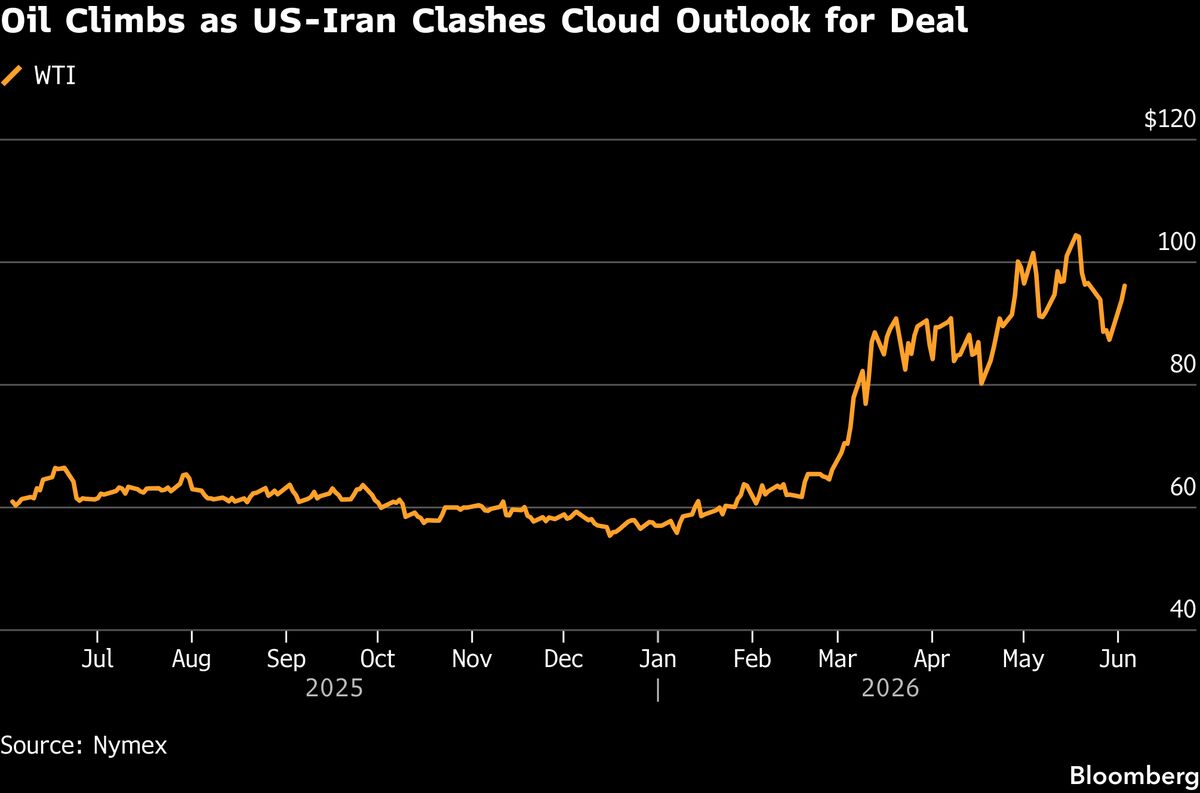
Asian stocks mixed as Iran-war uncertainty weighs on oil and follows Wall Street moves
Asian markets trade mixed as investors react to shifting signals from Wall Street and uncertainty around a possible Iran...

SpaceX files for record-setting IPO targeting up to $75 billion
SpaceX has filed documents for an initial public offering (IPO), setting up what multiple outlets describe as a potentia...