


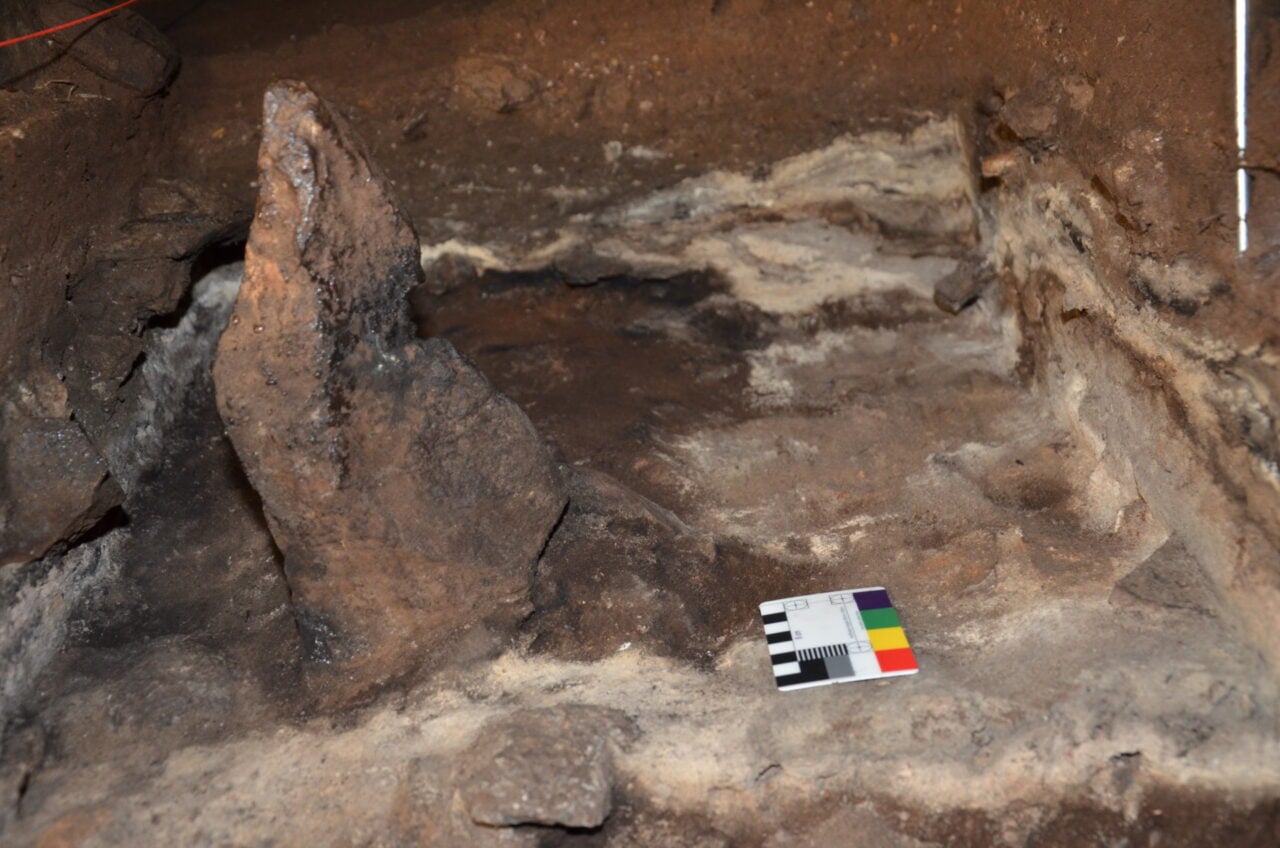
Archaeologists studying Australia’s Cloggs Cave report evidence that grass burning rituals were carried out for about 25,000 years by the GunaiKurnai people. Multiple outlets describe microscopic plant remains—preserved plant cells—indicating that grasses were repeatedly brought into the cave and burned over many millennia. Researchers also report ash or burning layers associated with these events, suggesting long-term and recurring activity rather than a single incident.
The reporting also notes that the site includes additional archaeological features, including a standing stone. Together, the plant and ash evidence are presented as showing that ceremonial practice involved burning particular vegetation inside the cave. Coverage characterizes the rituals in terms of spiritual and healing or other ceremonial purposes, while emphasizing that the findings come from physical traces rather than direct written records.
Overall, the sources converge on the same core discovery: extensive, repeated grass burning in Cloggs Cave linked to GunaiKurnai presence over a very long time span, offering new insight into how communities used the natural materials around them in ritual contexts.


