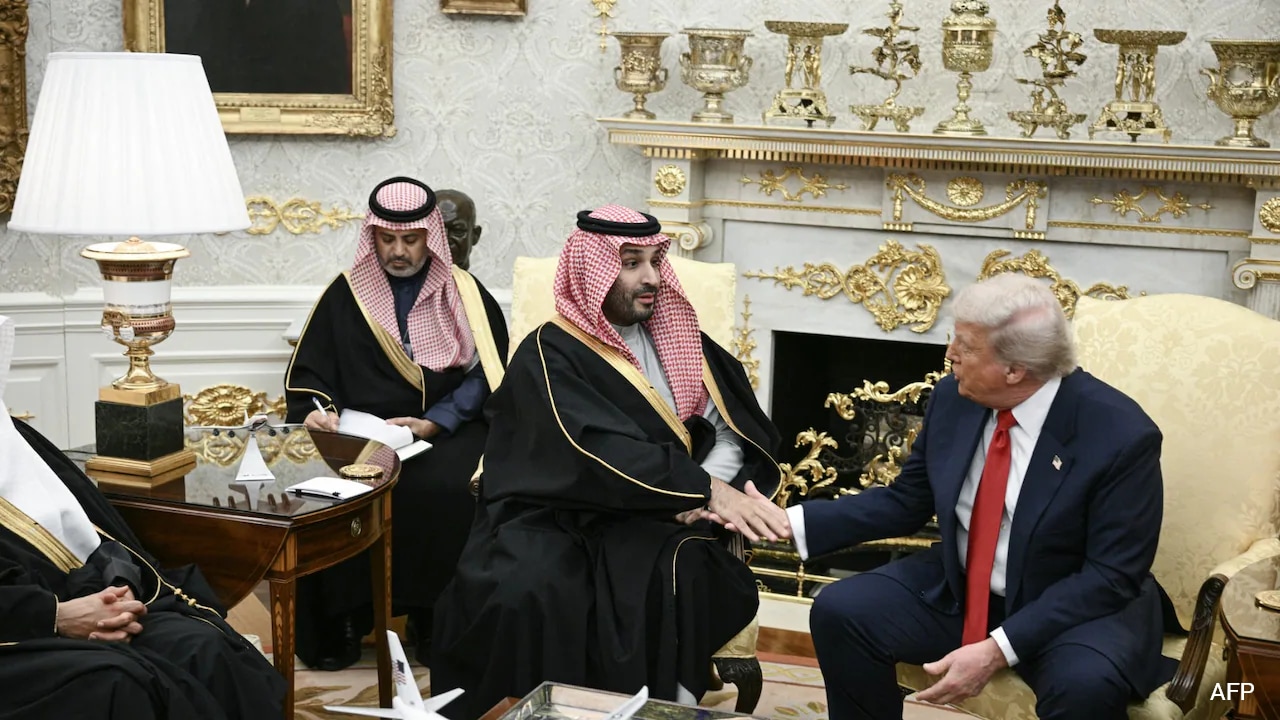
The United States announces that it has signed civilian nuclear cooperation agreements with Saudi Arabia, framing the pact as a long-term, multi-billion-dollar partnership subject to non-proliferation safeguards. U.S. Energy Secretary Chris Wright signs two documents with Saudi Energy Minister Prince Abdulaziz bin Salman: an agreement for “peaceful nuclear cooperation” under Section 123 of the U.S. Atomic Energy Act, and a separate bilateral safeguards agreement intended to support nuclear non-proliferation standards.
Multiple outlets report that the text of the agreements is not immediately made public. The U.S. government says the deals lay the legal foundation for expanding civil nuclear technology cooperation and for strengthening nuclear safety and security alongside non-proliferation. The agreements are transmitted to the U.S. Congress for review.
Several reports place the announcement in a broader regional context, linking it to U.S. efforts to deepen strategic ties with Riyadh while tensions with Iran and stalled nuclear-related diplomacy remain ongoing. Some coverage notes that the prospect of enrichment-related capabilities has drawn concern from outside experts and lawmakers, while Saudi Arabia reiterates its right to pursue a civilian nuclear program.