


Orcas in the Gulf of California have been filmed using a coordinated ramming technique on large sharp-tail sunfish carcasses, causing the fish to break into thousands of fragments. Multiple reports describe incidents in which one or more orcas hold the sunfish in their jaws while another whale strikes the target at high speed, producing the “exploding” effect. Researchers say this is a previously undocumented feeding-related behaviour. Several sources report that the sunfish were already killed before the ramming occurred, which leads to multiple possible explanations. One hypothesis is that the impacts reduce the size of the prey into more manageable pieces, helping younger or smaller orcas feed more easily or more efficiently digest the food. Another hypothesis is behavioural play or entertainment, particularly because the prey’s condition suggests the ramming may not be required to kill it. A paper published in *Frontiers in Ethology* describes separate observations of the behaviour and summarizes the researchers’ reasoning. Across outlets, the accounts focus on the shared technique—holding the carcass and then ramming it until it fragments—rather than a single definitive cause.
Orcas in Gulf of California observed ramming giant sunfish until they explode
Orcas in the Gulf of California have been filmed using a coordinated ramming technique on large sharp-tail sunfish carcasses, causing the fish to break into thousands of fragments. Multiple reports de...
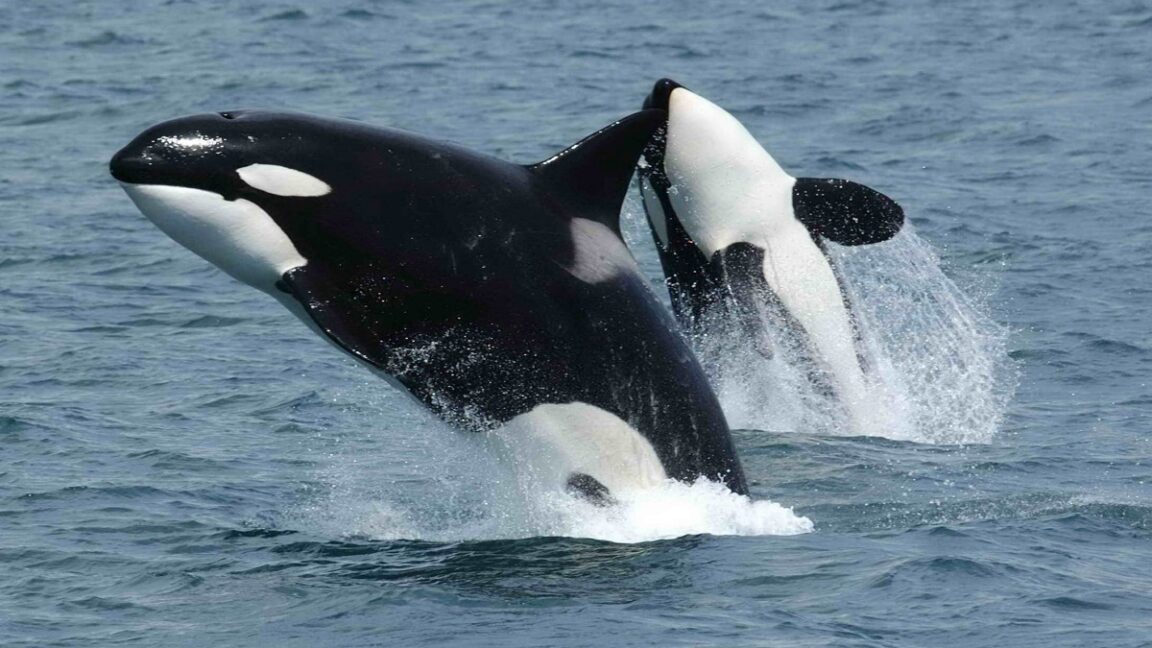
- Orcas in the Gulf of California are filmed ramming sharp-tail sunfish that burst into thousands of fragments.
- Observers report a coordinated method: one or more orcas hold the carcass while another rams it at high speed.
- Researchers say the sunfish appeared to be already killed before the ramming occurred.
- The behaviour may help younger orcas feed more easily by breaking carcasses into smaller pieces.
- Some scientists suggest the ramming could also be play or entertainment.
Orcas have been terrorizing great white sharks, capsizing boats off the Iberian Peninsula, and generally establishing themselves as the ocean’s most charismatic chaos agents. Now, in the Gulf of California, they’ve added something new to the repertoire: punching giant sunfish so hard they explode. A new paper published in Frontiers in Ethology documents three separate […] The post Scientists Are Trying to Figure Out Why Orcas Are Punching Giant Sunfish So Hard They Explode appeared first on VICE.
1 month agoResearchers have documented a previously unknown hunting behaviour in orcas in the Gulf of California. The animals were filmed working together to hold and ram giant sharp-tail sunfish until the carcass broke into thousands of pieces. Scientists believe the behaviour may help younger orcas feed more easily or could simply be play.
1 month agoBehaviour may also be strategy to portion food for juveniles, researchers say
1 month ago“We think this may help younger orcas feed more easily, or it could also just be for fun.”
1 month agoScientists believe sunfish-smashing behaviour could be form of entertainment or to help younger whales feedOrcas have been observed ramming into giant fish so hard that the prey explode, possibly as a form of gory entertainment.On several occasions, orcas were observed to hold sunfish in their jaws while a second whale smashed into the target at high speed, causing it to break into thousands of pieces. Since the fish had already been killed, scientists suggested the behaviour may represent a form of play. Continue reading...
1 month ago
Mirae Asset Capital Markets launches Mirae Asset GIFT Sharekhan in GIFT City
Mirae Asset Capital Markets (India) launches a new offering, Mirae Asset GIFT Sharekhan, as part of its strategic expans...

Sean McVay says he hopes the Rams never play in Australia again
The Los Angeles Rams’ head coach Sean McVay says he hopes the team never plays in Australia again, after the Rams comple...

Mid-air brawl breaks out on Biman Bangladesh flight to London
A fight involving two men breaks out on a Biman Bangladesh Airlines flight heading to London, with witnesses reporting p...