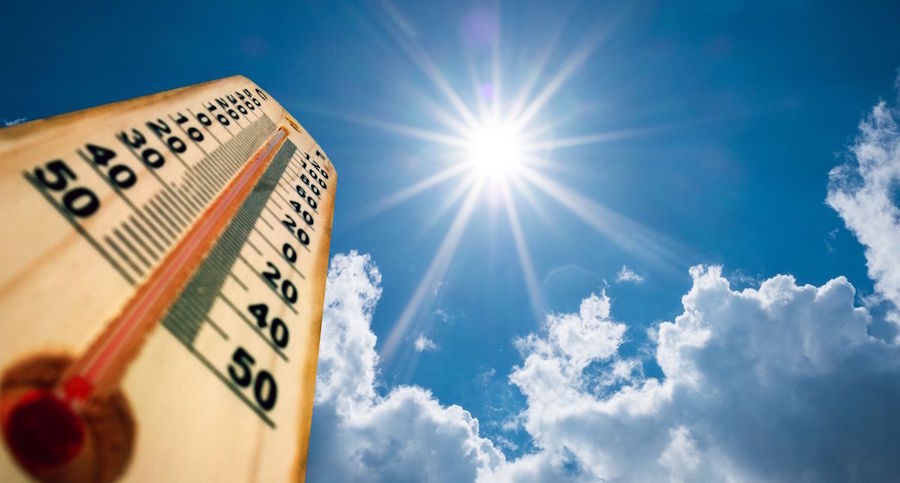
Caribbean governments and other sectors are being urged to prepare for worsening drought and extreme heat as El Niño strengthens and is forecast to intensify dry conditions across the region into 2027. CIMH and the University of the West Indies Climate Studies Group (UWI CSGM) warn that August to October is the peak of the Caribbean heat season, and that unusually dry weather is already affecting parts of the region.
The outlets cite forecasts indicating below-normal rainfall may persist and that very strong El Niño conditions are likely between October and December 2026. They also expect potentially record-level heat and an increase in hot spells during the next heat season, particularly March to May. Dry conditions are also expected to extend through the climatological dry season, with the dry period overlapping into March 2027.
While all reports focus on drought and heat risks, they differ slightly in emphasis. One source highlights the potential for slower recovery of water resources in the wet season after September to November 2026, while others stress the need for broader preparations across sectors. The reports also note associated risks such as wildfires, marine heatwaves and coral bleaching, alongside indirect effects including pressure on water and energy systems, impacts on agriculture and health, and possible supply-chain disruptions.
key_points
- CIMH and UWI CSGM urge Caribbean countries to prepare for worsening drought and extreme heat as El Niño strengthens.
- Forecasts indicate below-normal rainfall may persist into 2026/2027, with potentially very strong El Niño conditions around October–December 2026.
- Record or near-record heat and more hot spells are expected, especially March–May, with dry conditions potentially continuing into March 2027.
- Regions already experiencing drought—particularly parts of the Eastern Caribbean—could face slower water-resource recovery.
- The main risks mentioned include increased evaporation and drought, with possible wildfires, marine heatwaves/coral bleaching, stress on water and energy systems, and impacts on agriculture, health, and food supplies.