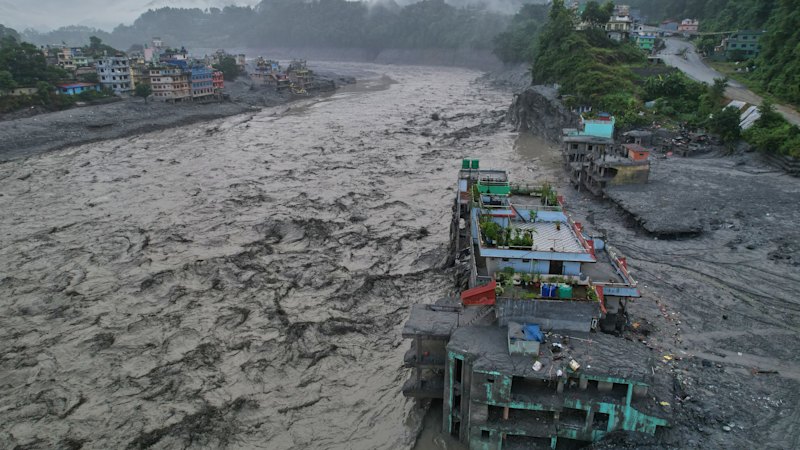
Leaders in Australia and Nepal respond differently to questions about whether climate change played a role in a disaster that strikes last week. All outlets frame the event as a test of how political officials assign responsibility and urgency to climate-related risks.
The Australian coverage highlights that Australian figures present a particular view on the drivers of the disaster, while Nepalese leaders emphasize Nepal’s experience with climate impacts and the dangers they say are already well documented. The differing responses reflect variations in political messaging and in how each country connects immediate disasters to longer-term climate trends.
While the articles share the same general premise, they differ mainly in emphasis: Australian reporting focuses more on the contrast in statements between the two countries, whereas Nepal-focused framing underlines Nepal’s familiarity with climate change consequences. Across sources, the central point remains that officials disagree on how prominently climate change should be cited when explaining the disaster and its causes.